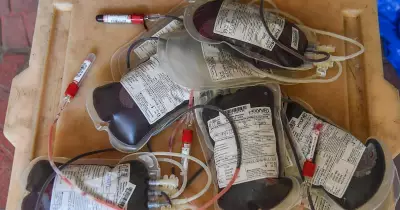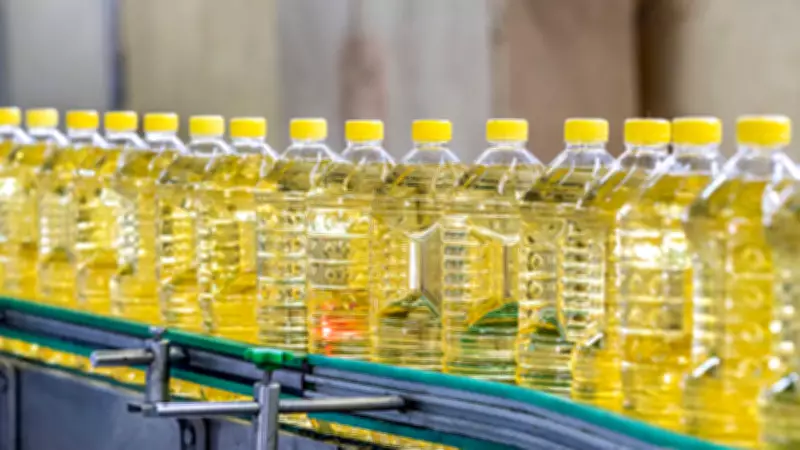
Most people worry about calories when choosing cooking oil, but few consider the risk of paralysis. A chemical adulterant called tri-ortho-cresyl phosphate (TOCP) has caused mass poisoning events across continents, leaving tens of thousands permanently disabled, and has been detected in edible oils in India. TOCP has no place in food, yet it continues to pose a threat. This article explains what TOCP is, how it enters cooking oil, and how you can test for it at home.
What is TOCP and Why is it Dangerous?
TOCP is an organophosphorus compound used industrially as a lubricant, plasticiser, and jet engine oil additive. It is highly toxic and can cause neurotoxicity, reproductive toxicity, and immunotoxicity. Most critically, TOCP induces organophosphate-induced delayed neurotoxicity, a neurodegenerative condition that affects central and peripheral nerves, often resulting in permanent neurological damage.
History of Mass Poisonings
The dangers of TOCP have been documented for over a century. In 1930, TOCP was added to an alcoholic beverage in the United States, affecting 20,000 to 100,000 people permanently. Symptoms included numbness and tingling in the extremities, with partial permanent paralysis at higher doses. In 1959, Morocco experienced an epidemic of paralysis after poor families cooked with olive oil adulterated with TOCP, which had been cheaply acquired as jet engine flushing fluid. Over 10,000 individuals were affected. India has also witnessed outbreaks: in Mumbai, 58 patients were affected, and four subsequent outbreaks occurred in Bengal. Patients reported cramping muscle pain, numbness, progressive weakness in limbs, and in severe cases, spasticity and loss of function in both legs and arms.

How to Test Your Cooking Oil at Home
The Food Safety and Standards Authority of India (FSSAI) has developed the DART (Detect Adulteration with Rapid Test) programme, enabling consumers to check common adulterants without laboratory equipment. For TOCP, the recommended test involves taking 2 ml of the oil sample and adding a small amount of solid yellow butter. If red colour forms immediately, TOCP is present. This simple test takes under a minute and can be done in any kitchen.
Beyond the TOCP-specific test, broader checks are useful. A refrigerator test involves placing oil in a glass in the fridge for two to three hours. Pure oils show uniform thickening, while adulterated oils often separate into cloudy layers. Visual clarity also helps: pure oils are generally transparent and consistent in colour. Murky appearance, unusual odour, or unexpected separation warrant caution.
For oils sold loose or in unlabelled containers, the risk is significantly higher. India has a documented history of oil adulteration, including the 1998 Delhi mustard oil poisoning that killed 60 people and made over 3,000 ill. Buying oil in sealed, branded, FSSAI-licensed packaging with a clearly marked batch number and manufacturing date substantially reduces risk, though it is not a guarantee.