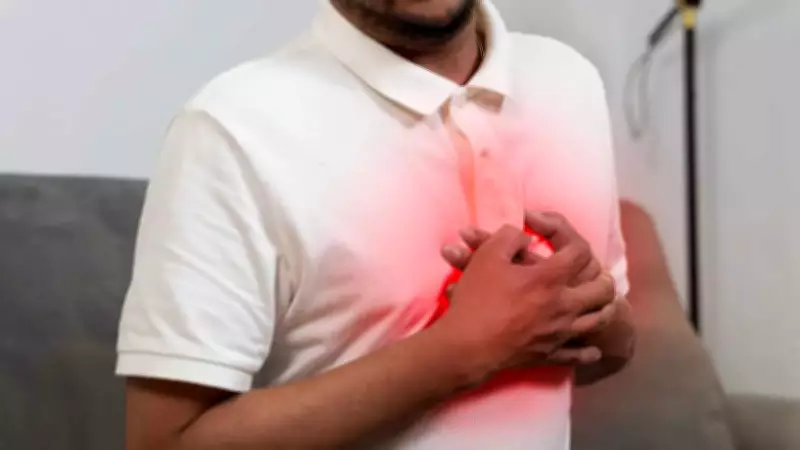
Beyond Chest Pain: The Silent Early Warning Signs of Heart Trouble
Chest pain is the classic symptom most people associate with heart problems, ingrained in public consciousness through movies, stories, and health posters. However, real-life heart issues often manifest more subtly, with the body sending softer, easily overlooked signals long before severe pain occurs. These signs are frequently dismissed as stress, aging, or minor ailments, but paying attention to them can be lifesaving, preserving health and preventing emergencies.
Why Chest Pain Isn't Always the First Clue
Heart disease typically develops gradually as blood vessels narrow or harden, a process where the heart may struggle silently. Chest pain often emerges later when blood flow is significantly reduced. According to the US Centers for Disease Control and Prevention (CDC), many heart attacks begin with mild, intermittent symptoms rather than intense chest pain. This is particularly true for women, older adults, and individuals with diabetes, who may never experience classic chest discomfort.
Dr. Rohit Goel, Principal Consultant in Cardiology at Max Hospital, Gurugram, explains, "During a heart attack, chest discomfort, pressure, or tightness lasting over 15-20 minutes is common, potentially radiating to the left arm, neck, jaw, shoulders, or back. Accompanying symptoms can include shortness of breath, lightheadedness, nausea, and fatigue. In vulnerable groups, symptoms might mimic indigestion or back pain, necessitating immediate medical attention if chest discomfort persists."

Unusual Fatigue That Defies Explanation
Extreme, unexplained fatigue is a frequently ignored warning sign. Unlike normal end-of-day tiredness, this fatigue feels sudden, heavy, and disproportionate to activity levels. A 2021 study published by the National Institutes of Health (NIH) identifies fatigue as a common early indicator of heart disease. Simple tasks like showering, cooking, or brief walks may become exhausting as the heart struggles to pump blood efficiently, reducing the body's energy supply.
Breathlessness During Routine Activities
Shortness of breath during everyday activities—such as climbing stairs, lying flat, or even speaking—can signal heart problems. This occurs when the heart's impaired pumping leads to fluid accumulation in the lungs. The UK National Health Service (NHS) lists unexplained breathlessness as a key heart warning sign, though many attribute it to weight gain or poor fitness.
Pain That Radiates to Unexpected Areas
Heart-related discomfort often extends beyond the chest, manifesting as pressure, burning, or tightness in the jaw, neck, shoulders, upper back, or left arm. This radiation occurs due to shared nerve pathways, sometimes leading individuals to seek dental or orthopedic care first, delaying critical diagnosis.
Digestive Discomfort That Feels "Off"
Nausea, indigestion, bloating, or stomach pain can occasionally indicate heart trouble, especially when accompanied by sweating, dizziness, or fatigue. These symptoms are commonly mistaken for food-related issues or acidity, with the American Heart Association noting this overlap is more prevalent in women.
Dizziness, Cold Sweats, and Lightheadedness
Feelings of faintness, sudden sweating, or unusual coldness may result from reduced blood flow to the brain as the heart fails to meet bodily demands. Often brushed off as dehydration or anxiety, these symptoms warrant medical evaluation when they arise without clear cause, with NIH studies listing them as potential early heart warnings.
What Deserves Closer Attention in Daily Life
Patterns are more telling than isolated incidents. Warning signs often recur or gradually worsen. Extra vigilance is advised for:
- New symptoms emerging after age 40
- Sudden declines in stamina or endurance
- Symptoms triggered by stress or physical activity
- Discomfort that alleviates with rest
As physician William Osler noted, "Listen to your patient, they are telling you the diagnosis." The body communicates clearly, but only to those who heed its messages.
Precautions That Protect the Heart Quietly
Prevention, though undramatic, is highly effective. Small, consistent habits significantly bolster heart health over time. Key measures include:

- Regular monitoring of blood pressure and blood sugar levels
- Avoiding all forms of tobacco use
- Incorporating at least 30 minutes of walking most days
- Prioritizing stress management and adequate sleep
- Seeking medical advice promptly rather than delaying
Reflecting on Hippocrates' wisdom, "Healing is a matter of time, but it is sometimes also a matter of opportunity," early action creates that vital opportunity for better outcomes.
Medical experts consulted for this article include Dr. Rohit Goel, Principal Consultant - Cardiology, Max Hospital, Gurugram, and Dr. Viveka Kumar, Chairman of Cardiology at Max Super Speciality Hospital, Saket. Their insights clarify why chest pain isn't always the initial sign of heart trouble and underscore the importance of recognizing other early symptoms for timely consultation.