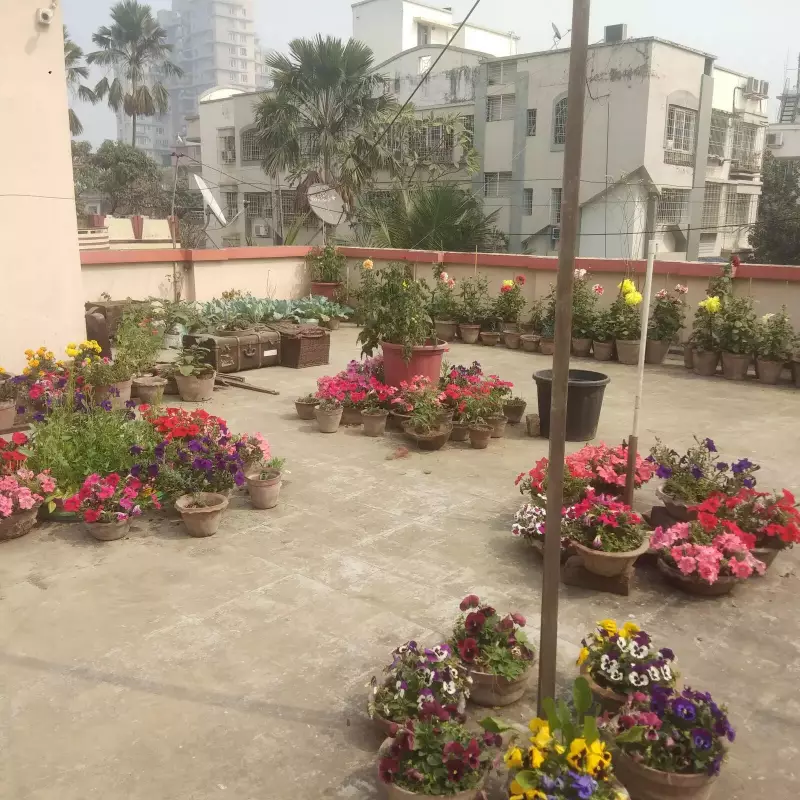
A state-level project designed to transform urban rooftops into lush vegetable and fruit gardens is facing significant challenges in taking root in Jeypore town, located in Odisha's Koraput district. The initiative, spearheaded by the Indian Institute of Horticultural Research (IIHR) in Bhubaneswar, aims to promote urban horticulture but has seen a lukewarm response from residents, primarily due to a lack of awareness and technical knowledge.
Ambitious Goals Meet Ground Realities
The project was officially launched in Jeypore in July with an ambitious target of bringing 100 households into the fold of sustainable urban farming. However, the current reality paints a starkly different picture. Only 18 households have enrolled in the scheme so far, highlighting a substantial gap between planning and execution. Jeypore is one of five towns in Odisha selected for this project, alongside Bhubaneswar, Cuttack, Sambalpur, and Berhampur.
Local residents and environmentalists point to inadequate publicity and minimal community outreach as the core reasons for the slow progress. "Rooftop gardening has immense potential to improve nutritional security, reduce household expenditure and enhance urban greenery. However, awareness at the community level in Jeypore is still very limited," stated environmentalist Bidyut Mohanty. He emphasized that while many people show interest, they are often left confused about the right point of contact or the initial steps to begin their own garden.

Residents Cite Safety and Guidance Concerns
Beyond awareness, practical concerns are major deterrents for potential urban gardeners. Several residents have expressed apprehensions regarding the structural safety of their buildings and the absence of clear, hands-on guidance. Sujata Mandal, a local resident, voiced a common worry: "We do not have clear information about how much weight a rooftop garden can bear or how it should be maintained. Without demonstrations and proper training, people hesitate to adopt it."
This feedback underscores a critical need for the project to address not just the 'why' but also the 'how' of rooftop gardening, providing tangible models and safety assurances to build public confidence.
Official Response and Future Plans
Acknowledging the hurdles, senior scientist from IIHR, P Srinivas, confirmed that efforts are underway to revitalize the project's outreach in Jeypore. "We have conducted a few workshops in the town, and more will be organised to create greater awareness," he said.
The institute has planned a multi-pronged strategy to boost participation. A key component involves setting up demonstration units on private rooftops. These live models will allow residents to see the benefits and practical setup firsthand, encouraging replication. Furthermore, a dedicated workshop is scheduled for January in Jeypore. Srinivas added that more awareness drives, hands-on training sessions, and demonstrations are in the pipeline to equip urban residents with the necessary skills and knowledge to embrace rooftop gardening and sustainable food practices.
The success of this initiative in Jeypore now hinges on effectively translating these plans into visible, community-engaged action that overcomes the current barriers of information and technical support.