Efficient Kitchen Practices: How to Reduce LPG Use Without Compromising Quality
As fuel pressures continue to impact households and food businesses across India, attention is gradually turning to how energy is used within the kitchen. Many everyday practices, from boiling milk at home to keeping burners running through service in restaurants, have long been treated as routine. Yet, in today’s context, some of these steps are worth re-examining to make the process more efficient. In that shift lies a simple opportunity: to reduce reliance on LPG by questioning what is necessary, and what is simply habitual. Here are some ways kitchens can begin to do that, without compromising on quality or safety.
Planning Cooking Instead of Spreading It Across the Day
One of the most common causes of excess fuel consumption is fragmented cooking, with multiple small cooking cycles spread across the day. A more efficient approach is to consolidate cooking into planned windows. At home, this could mean preparing certain components together, such as chopping vegetables or marinating meats in advance. In restaurants, it translates into structured prep cycles and batch cooking, where large quantities are cooked at once to serve throughout the day. The result is a kitchen that uses energy more deliberately, rather than continuously, leading to noticeable reductions in LPG usage over time.
Rethinking Milk: Why Boiling May No Longer Be Necessary
For generations, boiling milk has been a default step in Indian kitchens, less a choice, more a matter of habit rooted in the need to ensure safety. Today, that context has changed significantly. With UHT (Ultra High Temperature) processing and aseptic packaging, such as Tetra Pak cartons, milk is already treated at temperatures significantly higher than what can be achieved at home, and then sealed in a sterile, airtight environment. The result is milk that is safe, consistent, and protected from contamination until it is opened.

In many ways, the purpose that boiling once served has already been addressed before the milk reaches the kitchen. As a result, continuing to boil it becomes less of a necessity and more of a carryover from the past. Moving to UHT milk, therefore, offers a simple way to reduce an everyday cooking step, one that can, over time, contribute to meaningful LPG savings without compromising on safety or taste.
Choosing Ingredients That Don’t Require Additional Cooking
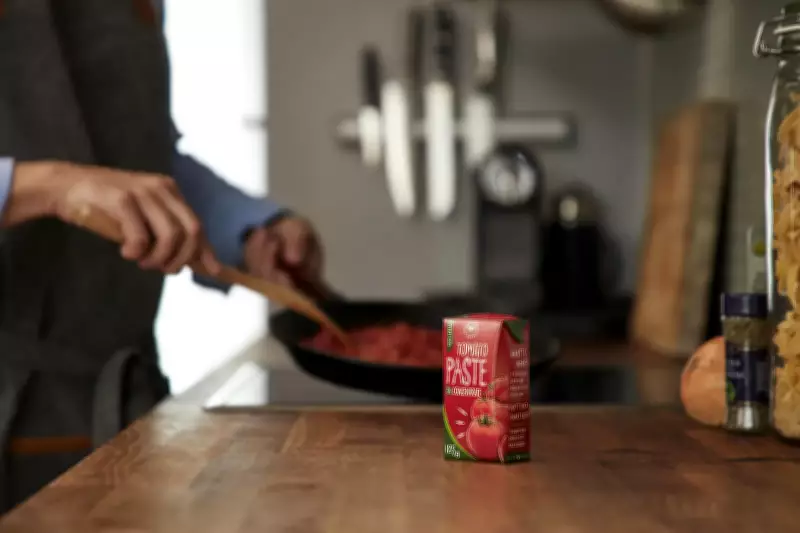
A significant amount of fuel is consumed not in cooking itself, but in preparation steps that can be avoided. Today, a wide range of ingredients, from soups to tomato bases, purees, and others are available in ready-to-use formats designed to be used directly. At home, this could mean adding milk straight into tea or coffee or using ready tomato puree without needing to cook it down. In restaurants, it allows for faster assembly, more consistent output, and fewer returns to the flame. What changes here is not the dish, but the process, removing steps that no longer add value and thereby conserving energy.
Using the Flame More Intentionally
In many kitchens, burners are left on between tasks or used at higher intensity than required. Over time, this creates a steady, often unnoticed drain on fuel. Using the flame more intentionally, switching it off when not in use, adjusting intensity based on the task, and aligning vessel size with the burner, can significantly improve efficiency. These are small shifts, but when practiced consistently, they make a visible difference in fuel bills and overall kitchen operations.
Reducing Waste to Conserve Energy
Food waste is often seen as a cost issue, but it also has a direct link to energy use. Over-preparation frequently leads to reheating or re-cooking, adding to fuel consumption. Less waste means fewer repeated processes, and in turn, lower energy use. By planning meals accurately and storing leftovers properly, kitchens can minimize waste and reduce the need for additional cooking, contributing to overall efficiency.

Building Awareness Around Everyday Energy Use
Ultimately, efficiency comes down to awareness. Many of the biggest opportunities to save fuel lie in small, everyday decisions, whether it’s avoiding unnecessary boiling, choosing ready-to-use ingredients, or turning off burners when not needed. When these habits are applied consistently, they can lead to significant cumulative savings, both for households and businesses, helping to alleviate the burden of rising fuel costs.
A Smarter Way Forward
What is emerging today is not just a response to rising fuel costs, but a broader shift in how kitchens operate. The focus is moving from simply cooking well to cooking more efficiently using fewer steps, less repetition, and smarter inputs. For both households and restaurants, this is an opportunity to question long-held habits and adopt approaches that are better suited to today’s realities. Because in the end, the most efficient kitchens are not the ones that do less, they are the ones that know what no longer needs to be done at all.
Disclaimer: This article has been produced on behalf of Tetra Pak by Times Internet’s Spotlight team.