Ranchi Eye Specialists Sound Alarm: Screen Addiction Fueling Childhood Myopia Epidemic
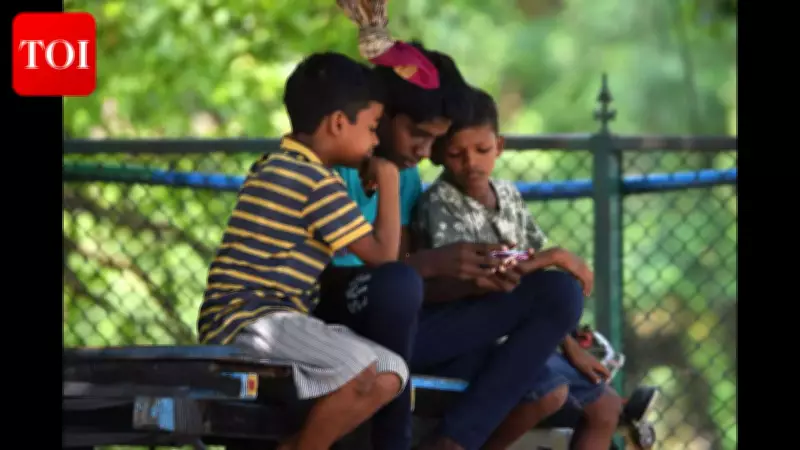
In a concerning development from Ranchi, medical experts are reporting a sharp rise in eye problems among children, directly linked to escalating screen time. Shockingly, even preschoolers as young as four or five years old are now requiring prescription glasses, a trend that has ophthalmologists deeply worried about the nation's future visual health.
India on Track to Become "Myopic Hub" Within Decades
Doctors are issuing a stark warning: if current patterns persist unchecked, India could transform into a "myopic hub" within the next 15 to 20 years. This projection underscores the severity of a public health crisis brewing in homes and schools across the country, driven by digital device dependency.
Dr. Sunil Kumar, Head of the Department at the Regional Institute of Ophthalmology, Rims, provided alarming statistics. "Nearly 30 out of every 100 children we examine are developing myopia, commonly known as minus eye power. The primary culprit is excessive exposure to screens from smartphones, tablets, and computers," he stated on Tuesday.

Essential Countermeasures: Sunlight, Diet, and Firm Parenting
Dr. Kumar emphasized non-negotiable elements for healthy eye development in children. "Physical activity, outdoor play, and at least one hour of daily sunlight exposure are absolutely essential. Nutrition plays a critical role too—a balanced diet rich in leafy green vegetables and yellow fruits like papaya and mango provides vital nutrients for the eyes," he advised.
He strongly cautioned against junk food, which lacks these essential nutrients, and urged parents to cultivate healthy eating habits alongside strictly limiting screen time. "The habit of children watching mobile phones during meals must not be encouraged. They might skip a meal initially, but they will eat when genuinely hungry. Parents need to be firm and consistent to break this damaging cycle," Dr. Kumar added.
The specialist also recommended initiating eye check-ups for children before they start school, followed by annual examinations to monitor vision and catch issues early.
Post-Pandemic Screen Dependency Intensifies the Crisis
Echoing these grave concerns, Dr. Preetish Pronoy, an eye specialist at Sadar Hospital, highlighted how screen dependency has skyrocketed since the Covid-19 period. "Even though the pandemic has subsided, children remain glued to screens—mobiles, computers, laptops. This sustained exposure is a significant driver behind the rising myopia rates. Recently, approximately 10% of my pediatric patients were diagnosed as myopic," he reported.
Dr. Pronoy detailed the immediate adverse effects of prolonged screen use: "It can cause eye redness, dryness, reduced concentration spans, and mental fatigue. Furthermore, children are forfeiting crucial physical activity by remaining indoors with their devices."
Practical Solutions and Professional Recommendations
To combat this trend, Dr. Pronoy advocated for counseling sessions targeting both children and parents to effectively reduce screen time. For students and professionals whose work or studies necessitate extended screen use, he prescribed a simple yet effective rule: "Take a break every 20 minutes. Look away from the screen, focus on a distant object, and allow your eye muscles to relax. This practice can significantly reduce strain and fatigue."
The consensus among Ranchi's ophthalmology experts is clear and urgent. Without timely and decisive intervention—combining lifestyle changes, parental guidance, and regular medical check-ups—the nation's increasing dependence on digital screens is poised to dramatically worsen eye health outcomes for the younger generation in the years ahead.