UAE Medical Experts Sound Alarm on Ramadan 2026 Driving Hazards
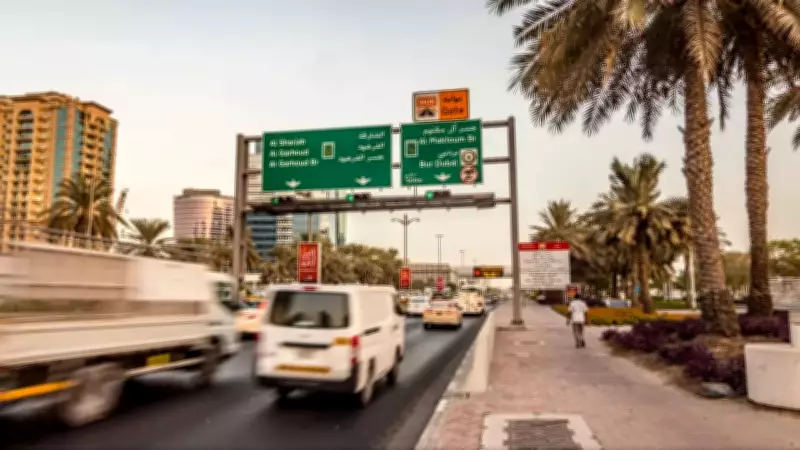
As the sacred month of Ramadan 2026 unfolds across the United Arab Emirates, healthcare professionals and safety officials are escalating warnings for motorists, particularly those undertaking lengthy commutes between emirates such as Dubai and Sharjah during fasting hours. With numerous drivers abstaining from food and drink from dawn to sunset, growing concerns center on fatigue, dehydration, and diminished alertness behind the wheel, which are emerging as significant road safety threats that could elevate the likelihood of traffic incidents throughout this holy period.
How Fasting Impacts Driver Performance and Road Safety
Dr Adel Al Sisi, Chief Medical Officer and Head of ICU at Prime Hospital in Dubai, explains that physiological shifts during fasting, including reduced blood sugar levels and mild dehydration, can measurably affect reaction times, vigilance, and concentration. He informed Gulf News that these effects often intensify in the mid-to-late afternoon, when energy naturally declines and dehydration becomes more pronounced. Consequently, drivers may face heightened risks of slowed reactions, exhaustion, and impaired focus, especially if compounded by inadequate sleep or extended periods without sustenance.
Dr Al Sisi highlighted that the pre-iftar timeframe is particularly perilous, as many drivers feel hurried or irritable to reach home promptly, a mindset that can foster riskier driving behaviors. Accident statistics corroborate this, showing a surge in road incidents between 12 noon and 6 pm, with the 2 pm to 4 pm slot being especially prone to collisions.

Traffic Patterns and Peak Risk Hours During Ramadan 2026
Beyond medical insights, separate analyses of UAE accident trends reveal that road mishaps frequently spike in the hours preceding iftar. Insurance claim data from prior years indicates drivers aged 36–40 are among the most impacted, with accidents rising as fasting individuals experience physical depletion and time constraints. Authorities note that safety challenges extend beyond fasting alone, encompassing earlier work finishes, heavier mid-afternoon traffic, and psychological pressures to arrive before sunset, collectively creating a uniquely hazardous driving environment.
Official Safety Recommendations for Fasting Motorists
To counter these elevated dangers, medical experts and police departments across the UAE are advocating a multifaceted approach:

- Prioritize Adequate Rest: Securing 6–7 hours of sleep nightly helps mitigate daytime fatigue, as sleep deprivation combined with fasting raises the chance of concentration lapses while driving.
- Strategize Travel Schedules: Departing earlier in the day to avoid mid-afternoon and pre-iftar rush hours can lessen stress and exposure to periods when driver performance typically wanes.
- Incorporate Breaks and Maintain Composure: Taking brief mental pauses during congested traffic and practicing calm driving habits—such as eschewing aggressive acceleration, maintaining safe distances, and using breathing techniques to manage irritability—are encouraged.
- Optimize Suhoor and Hydration: A balanced pre-dawn meal featuring complex carbohydrates like whole grains and oats, protein sources such as eggs and yogurt, and sufficient water supports steady energy levels. Experts advise steering clear of heavy, sugary, salty, or greasy foods that can precipitate energy crashes.
- Cease Driving if Symptoms Arise: Medical guidance is unequivocal: if dizziness, extreme fatigue, or loss of focus occurs while driving, the safest action is to pull over and rest rather than persisting.
Broader Road Safety Initiatives and Community Awareness
In tandem with individual advice, road safety campaigns led by entities like Sharjah Police and other emirate forces are urging motorists to embrace more cautious behaviors, particularly in residential zones and before iftar rushes. Police have explicitly called for reduced speeds in shared areas and resistance to rushing, emphasizing that safe arrival trumps swiftness. These efforts align with longstanding Ramadan safety measures that address risks from irregular eating and sleeping patterns, as well as psychological stressors influencing driving conduct.
While fasting drivers confront distinct challenges during Ramadan, authorities underscore that all road users—whether fasting or not—must exercise added vigilance. Defensive driving, patience, and thorough planning are crucial, especially as traffic volumes swell and environmental conditions shift due to altered work hours and social routines in the holy month. Ultimately, road safety during Ramadan hinges on comprehending how human physiology and societal rhythms evolve, then adapting behaviors to safeguard everyone on the streets.