Punjab's TB Treatment Success Rate Reaches 90%, Aligning with National Standards
Chandigarh: Punjab has achieved a significant milestone in its fight against tuberculosis, recording an overall treatment success rate of 90% among drug-sensitive TB patients. This figure matches the national benchmark and exceeds the global average, reflecting sustained efforts under the National TB Elimination Programme. However, a critical gap persists in preventive therapy coverage, which remains largely confined to household contacts, leaving numerous other vulnerable groups unprotected.
Treatment Outcomes and District-Level Performance
According to government data, between December 2024 and January 2026, a total of 58,169 drug-sensitive TB patients were notified in Punjab. Of these, 51,412 patients achieved successful treatment outcomes, demonstrating the state's progress in managing active cases. Conversely, 2,907 patients, approximately 9%, experienced unfavourable outcomes, including deaths, loss to follow-up, treatment failure, refusal of treatment, and untraceable cases.
District-level analysis reveals strong performance in several regions. Malerkotla, Amritsar, Tarn Taran, and Gurdaspur each reported an impressive 92% treatment success rate. Ludhiana, Pathankot, and Hoshiarpur followed closely at 91%, while Mohali stood at 90%. On the other hand, some districts lagged behind, with Faridkot reporting a lower success rate of 78%, Sangrur and Patiala at 82% each, Barnala at 83%, and Kapurthala at 84%.

Preventive Therapy Coverage: A Stark Contrast
While treatment outcomes show improvement, preventive coverage presents a concerning contrast. Statewide data indicate that 1,04,144 household contacts of TB patients were identified as eligible for TB preventive treatment. However, only 13,604 household contacts were initiated on preventive therapy, amounting to a mere 13% coverage rate.
The situation is even more dire among other identified risk groups. Out of 11,07,273 individuals marked eligible for preventive treatment, only 488 were started on it. Programme documents specifically note that TB preventive treatment is currently provided only to household contacts and certain other risk groups, with broader vulnerable populations not covered.
The Critical Role of Preventive Therapy
Public health experts emphasise that preventive therapy is crucial because tuberculosis infection can remain dormant for years before progressing to active disease. Providing preventive treatment to high-risk individuals helps interrupt this progression, reduce transmission in the community, and lower future caseloads. Without expanding coverage, the state risks continuing cycles of infection, particularly in high-burden districts.
TB Mukt Bharat Abhiyan Campaign and Infrastructure
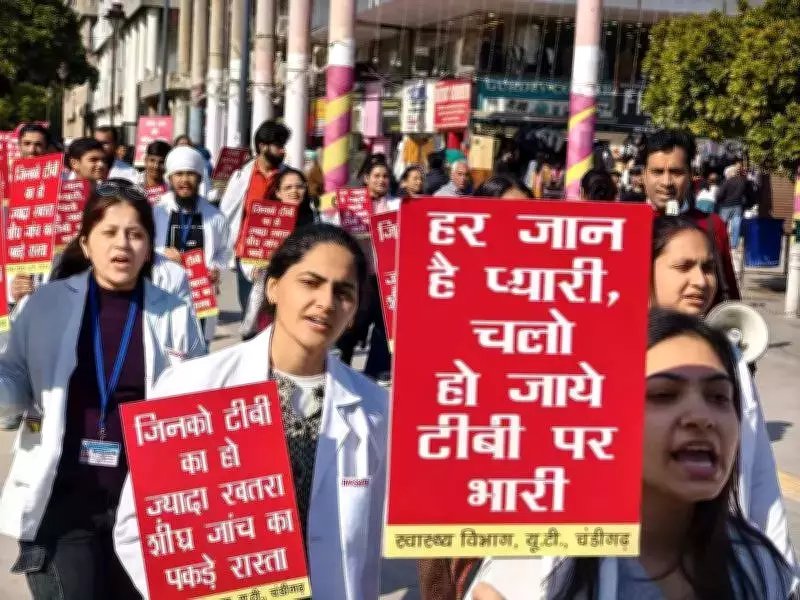
Under the ongoing TB Mukt Bharat Abhiyan campaign from December 7, 2024, to January 27, 2026, 32% of the vulnerable population has been screened so far. This amounts to 12.91 lakh out of 40.16 lakh identified individuals. X-ray examination coverage stands at 43%, and 82% of diagnostic tests conducted were NAAT-based.
The state's diagnostic infrastructure includes 202 NAAT machines, comprising 36 CBNAAT and 166 Truenat machines, with a 63% utilisation rate in one shift. Additionally, there are 95 handheld X-ray units, of which 23 are currently available and 72 are in the pipeline.
Proposed Measures and Future Directions
Dr Rajesh Bhaskar, head of the Punjab TB Cell, stated that directions have been issued to all districts to broaden TB Preventive Treatment to additional high-risk groups as a key step forward. Other proposed measures include scaling up targeted screening, decentralising rapid molecular diagnostics, and strengthening private sector engagement.
He added that instructions were also issued to increase case detection and referrals, improve sputum testing by more than 5%, conduct TB death audits for all reported TB deaths, and strengthen universal TB screening across public health touchpoints, including PHCs, CHCs, AAMs, and Aam Aadmi Clinics.

Districts were further asked to maximise utilisation of NAAT and handheld X-ray machines through effective referral linkages and daily monitoring. Efforts to improve treatment adherence, follow-ups, and timely management of adverse drug reactions are also being emphasised to enhance treatment success rates.
Elimination Benchmarks and Challenges
Punjab has set ambitious elimination benchmarks, aiming to reduce TB incidence to 47 per lakh population and mortality to 3 per lakh population. While improved treatment outcomes indicate progress, bridging the preventive therapy gap among high-risk groups will be critical for sustaining gains and moving closer to TB elimination.
The state's success in treatment outcomes highlights the effectiveness of current interventions, but the low preventive coverage underscores the need for expanded efforts to protect vulnerable populations and achieve long-term elimination goals.