Pune Leads Maharashtra in Vector-Borne Disease Cases in 2025
Pune district has emerged as a significant hotspot for vector-borne diseases in Maharashtra, recording the highest number of chikungunya cases and the second-highest dengue infections across the state in 2025. According to health department data, Pune reported 22 confirmed chikungunya cases and 44 confirmed dengue cases last year, highlighting a pressing public health concern that demands increased awareness and robust mosquito-control measures.
Statewide Disease Burden and Testing Protocols
The state of Maharashtra recorded a total of 14,159 confirmed dengue cases and 3,439 confirmed chikungunya cases in 2025. Dr Aparna Patil, the district malaria officer, explained that Pune's case numbers are influenced by its unique testing setup. "Pune is the only district where samples are tested at the National Institute of Virology (NIV)," she said. "Other districts rely on their own sentinel centres. Because NIV offers high-accuracy testing, false negatives are eliminated. Each sample is tested for both dengue and chikungunya, so co-infections are counted as separate cases, which can increase total cases."
Dr Patil added that most infections occur among workers and migratory populations, and are largely sporadic in nature. Despite the high case counts, Pune district reported no dengue-related fatalities in 2025, while the state recorded 21 such deaths.

Local Trends and Municipal Response
Dr Rajesh Dighe, assistant health officer at the Pune Municipal Corporation (PMC), provided a contrasting perspective on local trends. "Pune city reported one-third of dengue cases in 2025 as compared to 2024," he noted. "So, our numbers have been going down." This decline suggests that municipal efforts may be having a positive impact, though the district-wide figures remain concerning.
Medical Insights and Symptom Management
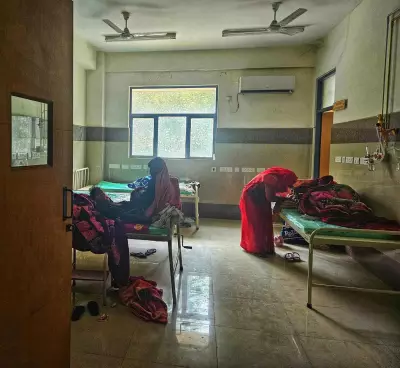
Dr Vineet Rao, a consultant in internal medicine at Jupiter Hospital, expressed concern over the rising number of dengue and chikungunya cases in Pune. "Extended monsoon periods and resulting water stagnation create ideal breeding conditions for Aedes mosquitoes," he explained. "Rapid urban growth further contributes to the problem. Hospitals have seen several patients presenting with high fever, rashes and severe joint pain, which are symptoms typical of these infections."
Dr Rao emphasized that while many cases are manageable with hydration and supportive care, patients with chronic diseases often require hospitalisation. He stressed that early diagnosis and timely medical intervention are essential to reduce complications.
Dr Danish H Memon, senior consultant and head of the department of medicine at Noble Hospitals and Research Centre, detailed the clinical profiles of these diseases. "Chikungunya typically causes fever and joint pain, along with swelling and rashes in some cases," he said. "Most patients recover within a week, though joint pain can persist for months. Rarely, severe complications like chikungunya encephalitis and multi-organ involvement may occur, as seen during the 2024 surge."
Regarding dengue, Dr Memon added: "Dengue usually begins with fever, body aches and intense back pain. While most patients recover within a week with proper medical care, severe cases may develop rashes, abdominal pain, persistent vomiting and bleeding, which can lead to shock and multi-organ failure. Treatment is largely symptomatic, with a focus on hydration and monitoring blood counts. Antibiotics have no role in treating either dengue or chikungunya."
Underlying Factors and Public Health Implications
The combination of climatic factors, urbanisation, and population mobility has created a perfect storm for the proliferation of vector-borne diseases in Pune. The extended monsoon seasons provide ample breeding grounds for mosquitoes, while the city's rapid expansion leads to increased water stagnation in construction sites and informal settlements. Migratory populations, often living in conditions with limited access to preventive healthcare, are particularly vulnerable.

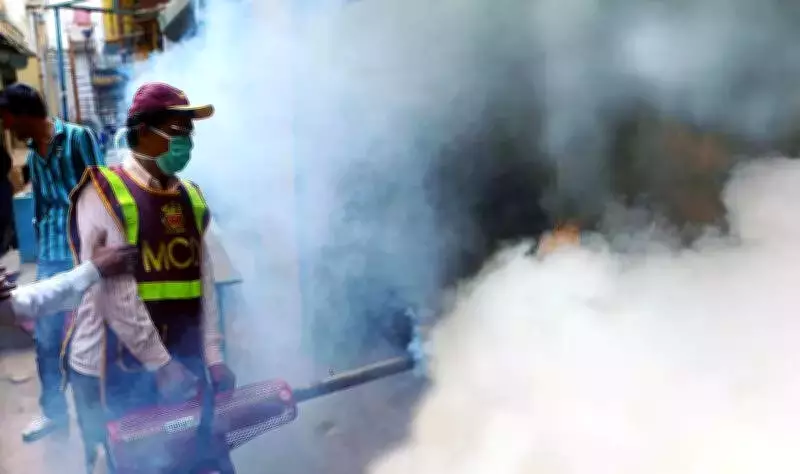
Public health experts urge residents to take proactive measures such as eliminating stagnant water sources, using mosquito repellents, and seeking medical attention at the first sign of symptoms. Community-wide efforts in sanitation and awareness campaigns are critical to curbing the spread of these diseases.
The data from 2025 serves as a stark reminder of the ongoing battle against vector-borne illnesses in urban India. While Pune's city-specific numbers show a decline, the district's overall position at the top of the state's case lists underscores the need for sustained vigilance and coordinated action between health authorities, municipal bodies, and the public.