India Condemns Pakistan's Airstrikes in Afghanistan at UN, Flags Deportations
India has issued a strong condemnation of Pakistan at the United Nations, targeting Islamabad's air-bombing campaigns in Afghanistan during the holy month of Ramadan. The Indian delegation also raised serious concerns regarding the ongoing deportation of Afghan nationals, highlighting a pattern of actions that exacerbate regional tensions.
UN General Assembly Address on Islamophobia
Addressing the UN General Assembly during the commemoration of the 'International Day to Combat Islamophobia' on Monday, India's Permanent Representative to the UN, Ambassador Parvathaneni Harish, delivered a pointed statement. He criticized India's western neighbor, Pakistan, for what he described as fabricating imaginative tales of Islamophobia in their region.
"One wonders what would brutal repression of Ahmadiyyas in this country be termed, or the large-scale refoulement of the helpless Afghans or air-bombing campaigns in this holy month of Ramadan?" Harish questioned, emphasizing the need for the UN to address the rising trend of weaponizing religious identity for narrow political ends by both state and non-state actors.

Deadly Airstrike on Kabul Hospital
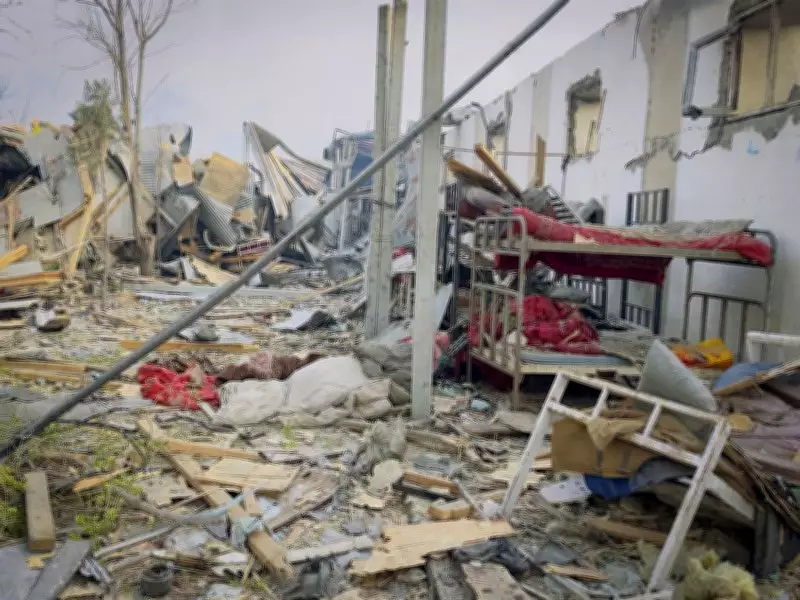
According to reports from Afghanistan, a devastating airstrike targeted the Omid Addiction Treatment Hospital in Kabul on Monday evening, resulting in approximately 400 fatalities and around 250 injuries. The hospital, a 2,000-bed facility dedicated to treating drug addiction, suffered extensive destruction, with large sections reduced to rubble.
Hamdullah Fitrat, Deputy Spokesperson of the Taliban, confirmed that the attack was carried out by Pakistan at 9 PM, leading to a massive rescue operation to control fires and recover victims. However, Pakistan has firmly rejected these allegations, with security sources dismissing the claims as "ridiculous" and asserting that their strikes targeted military installations and terrorist support infrastructure.
Escalating Cross-Border Tensions
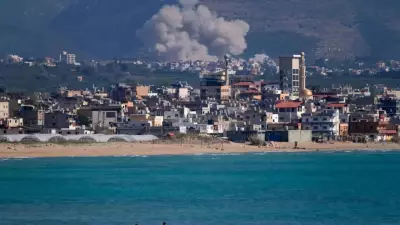
The airstrike in Kabul is not an isolated incident, as reports indicate a history of Pakistani military targeting civilians in Afghanistan, including women and children across various provinces. In response, Taliban forces have reportedly launched drone attacks inside Pakistan, prompting retaliatory strikes and escalating hostilities along the Afghanistan-Pakistan border.
Pakistani President Asif Ali Zardari condemned the Taliban's actions, stating that they crossed a "red line." Meanwhile, Pakistani news outlet Samaa News reported that airstrikes in Kabul and Nangarhar province targeted Taliban-linked facilities, destroying technical support infrastructure and ammunition storage sites.
Humanitarian Crisis and Displacement
The conflict has triggered a severe humanitarian crisis, with about 7,500 families displaced in Kunar's districts near the Durand Line due to Pakistani artillery fire. Displaced residents lament the destruction of homes and livestock, highlighting that despite Ramadan, the shelling has forced them to live in tents for over 12 days, unable to return to their communities.
Al Jazeera reported that Pakistan's Ministry of Information defended the strikes as "precise and carefully undertaken to ensure no collateral damage," accusing the Taliban of stirring anti-Pakistan sentiment to cover their support for cross-border terrorism.
India's Broader Stance
In his UN address, Ambassador Harish reiterated India's condemnation of violence and hatred in the name of religion, regardless of the faith involved. He emphasized India's role as the birthplace of Hinduism, Buddhism, Jainism, and Sikhism, advocating for a global commitment to peace and tolerance.
This incident underscores the volatile dynamics in South Asia, with India positioning itself as a vocal critic of actions that threaten regional stability and human rights. The international community watches closely as tensions between Pakistan and Afghanistan continue to simmer, with India's intervention at the UN adding a significant diplomatic dimension to the ongoing conflict.