Plastic Water Bottles: A Growing Health and Environmental Concern in India
Water bottles are manufactured using various types of plastic, each with distinct properties and implications for health and the environment. PET (polyethylene terephthalate) remains the most common material for single-use water bottles due to its lightweight and recyclable nature. However, it can degrade with repeated use, raising safety concerns.
Types of Plastic and Their Characteristics
PET bottles are designed for single use but are often reused, which increases risks. HDPE (high-density polyethylene) is typically used for thicker, reusable bottles because it resists impact and chemical leaching better. Additionally, BPA-free plastics like Tritan are marketed as safer alternatives for reusable bottles, offering heat resistance and durability for multiple uses.
Expert Insights on Health Risks
Ranjit Kumar Verma, general secretary of the Indian Science Congress Association and a chemical scientist, emphasized that while polythenes do not decay easily and normally do not leach into water, PET bottles are comparatively safer only if they are not made from recycled plastic and remain free from endocrine-disrupting phthalates. "Recycled bottles of either material are more dangerous and need to be banned for making such bottles," he stated.

Bhavuk Sharma, a teacher in the geology department at Patna University who researches water quality, highlighted that nano-plastics can travel through tissues of the digestive tract or lungs and enter the bloodstream, distributing harmful chemicals within the human body. Water stored in local plastic bottles may contain Bisphenol A (BPA), a chemical linked to serious health risks.
Studies indicate that BPA can disrupt the human immune system by affecting immune cell functioning over time. Researchers have associated BPA exposure with conditions such as diabetes, obesity, fertility problems, behavioral issues, and early puberty in girls.
Impact of High Temperatures in India
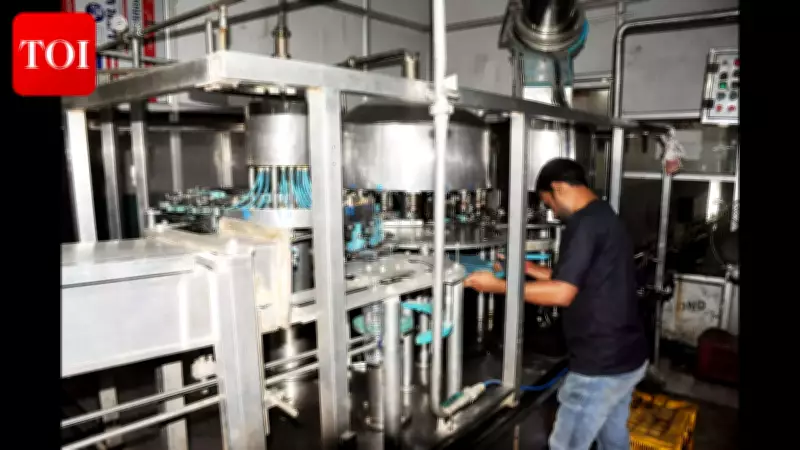
Sharma pointed out that risks become more pronounced in countries like India, where summer temperatures remain extremely high. Plastic bottles used by small packaging units are often exposed to heat during storage or transportation. "Heat accelerates the breakdown of plastic and increases the likelihood of chemical leaching. Moreover, single-use PET bottles are not designed for repeated use. Every reuse increases the risk of physical degradation and microbial contamination," he explained.
Environmental Challenges
Beyond health concerns, the rapid growth of small bottling units poses significant environmental challenges. Shardendu, former head of the environmental science department at Patna Science College, noted that plastic bottle usage has grown sharply in recent years. In India alone, more than 14 billion plastic bottles are used annually, with a large proportion not recycled and ending up in landfills, oceans, or incinerators.
"Plastic takes hundreds of years to decompose, and in the meantime, it pollutes water bodies, harms marine life, and contributes to the global microplastic crisis. The environmental footprint of manufacturing, transporting, and disposing of plastic bottles is immense, making them an unsustainable option," he added.
Call for Action and Awareness
The combination of health risks from chemical leaching and the environmental damage from plastic waste underscores the need for greater awareness and regulatory measures. Experts advocate for reducing reliance on single-use plastics, promoting safer alternatives, and improving recycling systems to mitigate these impacts.