

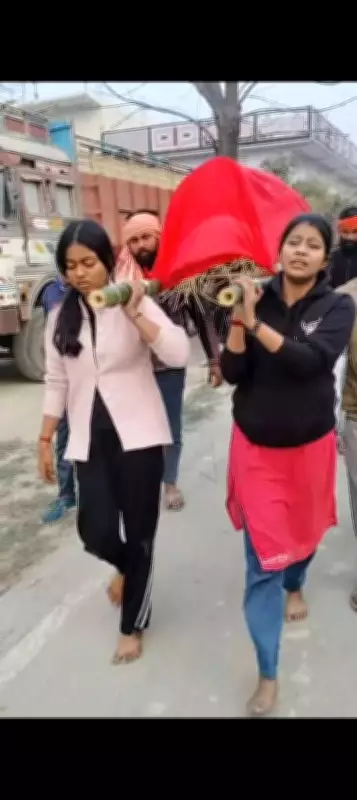
Patna Sisters Defy Tradition to Perform Mother's Last Rites Amidst TB Stigma
In a poignant story of abandonment and courage emerging from Saran district, two young sisters were compelled to conduct the final rituals for their mother, Babita Devi (56), who passed away from tuberculosis (TB). The distressing incident unfolded as neither relatives nor villagers stepped forward to assist, driven by an irrational fear of infection.
Village Opposition and Traditional Barriers
Adding to their ordeal, the villagers actively prevented Mausam (20) and Roushan Kumari (18) from performing the last rites, citing that such tasks are traditionally reserved for sons in Indian culture. This resistance highlights the deep-seated gender biases that persist in rural communities, even in times of crisis.
Timeline of Tragedy and Viral Awareness
Babita Devi succumbed to TB at Patna Medical College and Hospital on January 20, leaving her daughters to grapple with both emotional loss and financial hardship. A video capturing the sisters' plight went viral on January 30 during Babita's Shraddha ceremony at Jawania village in Marhaura block, drawing widespread attention to their struggle.

The sisters had been living in poverty since their father, Ravindra Singh, passed away over a year ago. With limited resources, they cared for their ailing mother, making desperate pleas for support that went unanswered by family and community members alike. After Babita's death, the burden of arranging the funeral fell entirely on their young shoulders.
Healthcare Journey and Financial Desperation
Roushan recounted their mother's medical journey, which began at the primary health centre in Hisuapur before a referral to Chhapra sadar hospital. "When her condition deteriorated, we admitted her to PMCH. After treatment for three days, she succumbed to her illness," she explained, noting they lacked even the funds for a proper funeral.
Upon bringing the body to the village for last rites, the sisters informed relatives, but none arrived. "We went to the villagers for help, but no one came forward for fear of getting infected with TB," Roushan lamented. A single villager eventually contributed towards the shroud and other necessities, yet the community abstained from the funeral procession.
Defiance and Resilience in the Face of Adversity
Despite being barred from shaving their heads as per ritual customs, the sisters demonstrated remarkable fortitude. "But we sisters lent our shoulders to carry the body for cremation. My elder sister Mausam lit the pyre," Roushan stated, underscoring their determination to honor their mother against all odds.
In a slight turn of events, some relatives visited the village on January 29 and contributed to the rituals, offering a belated acknowledgment of the family's plight. This incident sheds light on broader issues of social stigma surrounding diseases like TB and the urgent need for community support systems in rural India.






