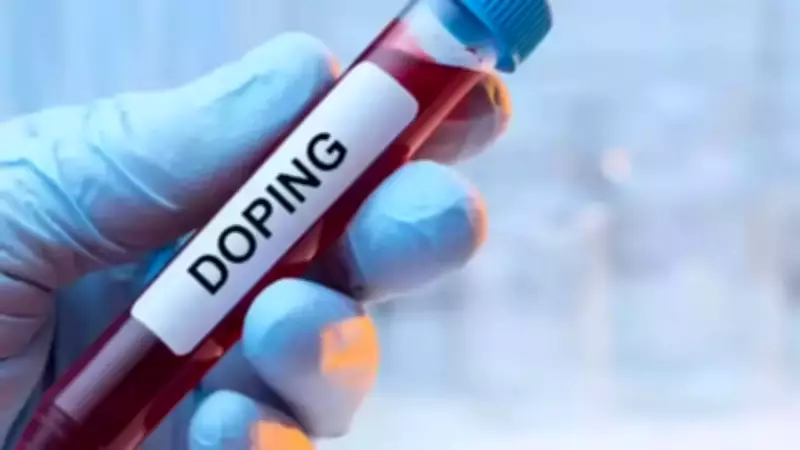
NMC Issues Guidelines to Doctors to Prevent Doping in Indian Sports
In a significant move to address the escalating issue of doping in sports, the National Medical Commission (NMC) has issued a public notice directing doctors, hospitals, and medical colleges across India to exercise heightened caution when treating athletes. This action follows a communication from the Ministry of Youth Affairs and Sports, which highlighted a concerning rise in doping cases across various disciplines.
Rising Doping Incidents Prompt Regulatory Action
The urgency of this directive is underscored by a series of recent incidents. In 2025, seven Indian athletes were provisionally suspended by the National Anti-Doping Agency, including Uttarakhand cricketer Rajan Kumar, who tested positive for three banned substances on January 5. Additionally, reports from national and state-level sports meets have revealed washrooms littered with used syringes, indicating organized misuse of performance-enhancing drugs. These developments prompted Union Sports Minister Mansukh Mandaviya to call for intensified action against doping.
Key Instructions for Medical Professionals
The NMC's notice emphasizes several critical steps for healthcare providers:

- Doctors must familiarize themselves with the World Anti-Doping Agency's (WADA) prohibited list, which is frequently updated.
- Medicines containing banned ingredients should only be prescribed when medically necessary, with proper documentation maintained.
- Medical institutions are tasked with sensitizing faculty and practitioners on anti-doping regulations, particularly in the context of athlete care.
- There is a recommendation to integrate basic anti-doping awareness into undergraduate medical education and continuing professional development programs.
Unintentional Doping: A Growing Concern
The Ministry of Youth Affairs and Sports has warned that not all doping cases are intentional. Athletes may inadvertently consume mislabelled or contaminated supplements, or take prescription medicines that are banned under global anti-doping rules without realizing the consequences. A sports medicine specialist explained, "Many general practitioners may not always be updated on WADA's frequent changes. Routine medications like certain painkillers, steroids, or cough syrups can lead to positive tests for athletes. Responsibility is shared: athletes should inform doctors of their testing obligations, and doctors must verify drug permissibility. If a banned medicine is essential, it requires a Therapeutic Use Exemption."
Broader Regulatory Coordination Needed
Officials have also expressed concerns about imported supplements and online products that may contain prohibited substances. The ministry advocates for stronger coordination with regulatory bodies such as the Central Drugs Standard Control Organisation and the Food Safety and Standards Authority of India to enhance oversight and prevent the influx of such items into the market.
A Collective Effort to Clean Up Sports
The overarching message is clear: combating doping is no longer solely the responsibility of athletes. It now involves a collaborative effort among doctors, pharmacists, supplement sellers, and regulators. By promoting responsible prescription practices and increasing awareness, the aim is to safeguard the integrity of sports and ensure a level playing field for all competitors.