

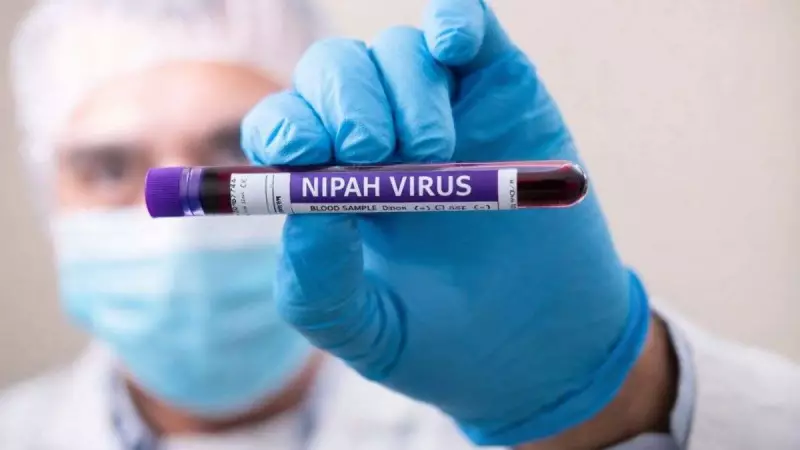
Understanding the Unique Threat of Nipah Virus in India
In recent years, viral outbreaks have become a significant public health concern in India, with diseases like COVID-19 and influenza dominating headlines. However, the Nipah virus stands out as a distinct and particularly dangerous pathogen that requires special attention due to its unique characteristics. Unlike more common viral infections, Nipah poses a higher risk of severe complications and has a notably different mode of transmission, making it crucial for the public to understand these differences to enhance preparedness and response efforts.
Key Differences in Transmission and Origin
The Nipah virus is primarily zoonotic, meaning it originates from animals and can jump to humans. It is often transmitted through contact with infected bats, particularly fruit bats, or through consumption of contaminated fruits or date palm sap. In contrast, other viral infections like COVID-19 and influenza are typically spread through respiratory droplets from human-to-human contact. This fundamental difference in transmission routes means that Nipah outbreaks are often linked to specific environmental factors and animal reservoirs, whereas diseases like influenza can spread rapidly in crowded human settings.
Symptoms and Severity: A Comparative Analysis
When it comes to symptoms, the Nipah virus can cause a range of effects that set it apart from other viral infections. Initial symptoms may include fever, headache, and muscle pain, similar to many common viruses. However, Nipah can quickly progress to more severe conditions such as encephalitis (inflammation of the brain), leading to disorientation, seizures, and coma. This neurological involvement is a key differentiator, as viruses like influenza primarily affect the respiratory system, causing cough and congestion, while COVID-19 can lead to respiratory distress but less commonly involves the brain in such a direct manner.

Mortality Rates and Treatment Challenges
One of the most alarming aspects of the Nipah virus is its high mortality rate, which can range from 40% to 75% in some outbreaks, significantly higher than that of many other viral infections. For comparison, seasonal influenza typically has a mortality rate below 0.1%, and COVID-19, while serious, has seen varying rates but generally lower than Nipah. Treatment options for Nipah are limited, with no specific antiviral drugs or vaccines widely available, unlike influenza and COVID-19, which have developed treatments and preventive measures over time. This lack of medical interventions underscores the importance of early detection and supportive care in managing Nipah cases.
Prevention and Public Health Strategies
Preventing Nipah virus infections requires targeted strategies that differ from those for other viral diseases. Key measures include avoiding contact with bats and their excretions, ensuring proper hygiene when handling fruits, and boiling date palm sap before consumption. Public health campaigns in India have emphasized these points, especially in regions prone to outbreaks. In contrast, preventing diseases like COVID-19 and influenza relies more on vaccination, mask-wearing, and social distancing. Understanding these distinct prevention methods is essential for effective public health planning and reducing the risk of future Nipah outbreaks in India.
In summary, the Nipah virus presents unique challenges compared to other viral infections, from its animal origins and severe neurological symptoms to its high mortality and limited treatment options. By recognizing these differences, individuals and health authorities in India can better prepare and respond to potential threats, ensuring a safer and more informed approach to viral disease management.






