Nipah Virus Detected in West Bengal: A Renewed Public Health Concern
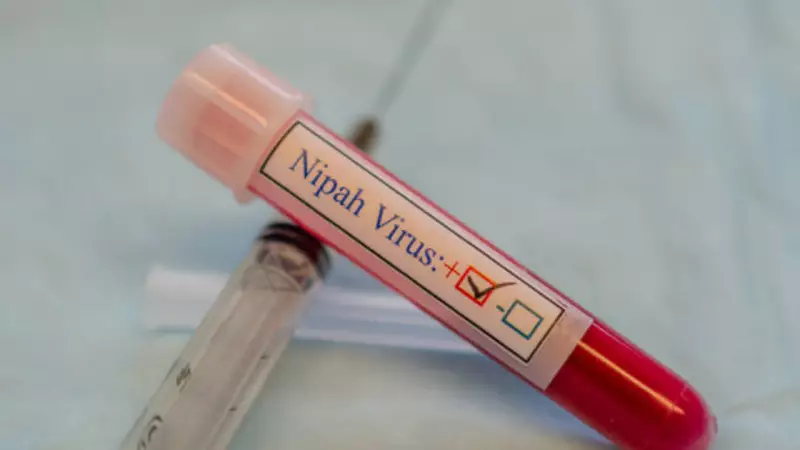
Health authorities in West Bengal have confirmed the detection of Nipah virus in two nurses, bringing this rare but dangerous infection back into the spotlight. The virus, which originates from fruit bats, can spread to humans through contaminated food or direct contact with infected individuals.
India's Previous Encounter with Nipah
The first major Nipah scare in India occurred in 2018 when several cases emerged in Kozhikode, Kerala. That outbreak created nationwide alarm as hospitals rushed to isolate patients and trace contacts. Authorities implemented strict quarantine measures and travel restrictions, catching many communities unprepared for such a sudden health crisis.
People experienced genuine fear during that outbreak because Nipah symptoms often begin like ordinary viral fever before escalating rapidly. The initial signs can be deceptively mild, making early detection particularly challenging for both patients and healthcare providers.

Why Nipah Remains Dangerous Despite Its Rarity
Dr. Santosh Kumar Agrawal, Director of Internal Medicine at Yatharth Super Speciality Hospital in Faridabad, explains the serious nature of this virus. "Nipah virus causes high fatality rates and rapid progression," he states. "It frequently leads to encephalitis, which is severe swelling of the brain. Unlike many viral diseases, transmission occurs primarily through close contact with infected people or animals rather than contaminated objects."
The World Health Organization estimates the case fatality rate for Nipah virus infection ranges from 40% to 75%. Although outbreaks have been limited in Asia, the WHO emphasizes that Nipah infects a wide range of animals and causes severe disease in humans, making it a significant public health concern despite its rarity.
The Challenge of Early Detection
One major problem with Nipah virus is that people often overlook the initial symptoms. Dr. Agrawal notes that patients typically experience mild fever, headache, or body aches at first exposure. "These non-specific symptoms commonly get mistaken for typical viral illnesses," he explains. "People frequently self-medicate with over-the-counter drugs, missing opportunities for early identification. This delay can prove dangerous as the virus progresses unnoticed until neurological symptoms appear."
The timeline from exposure to severe symptoms spans between 5 and 14 days. Initial symptoms include fever, headache, and tiredness. After several days, more serious manifestations may develop, including confusion, seizures, and breathing difficulties.
Critical Need for Timely Intervention
Currently, no specific antiviral treatment exists for Nipah virus infection. The rapid onset of severe symptoms leaves minimal time for intervention once they occur. Dr. Agrawal stresses that rapid isolation, testing, and supportive care when a patient presents with fever represent the most important interventions.
"Timely intervention during the first fever phase can significantly decrease transmission rates and improve a patient's prognosis," the expert emphasizes. Healthcare systems must remain vigilant despite the virus's rarity, as history demonstrates that viruses with high fatality rates can spread with deadly speed.
The recent detection in West Bengal serves as a reminder that while Nipah virus outbreaks remain uncommon in India, their potential severity demands continued awareness and preparedness from both healthcare providers and the public.