Nagpur's Canned Water Regulatory Crisis Exposed in High-Level Meeting
Days after Maharashtra state authorities issued directives to crack down on illegal water plants, a crucial coordination meeting at Nagpur Municipal Corporation headquarters has exposed a glaring regulatory vacuum in the city's booming canned water business. The meeting, chaired by Additional Municipal Commissioner Vasumana Pant, brought together officials from the Food and Drug Administration and NMC's Water Works Department, led by Superintending Engineer Shweta Banerjee.
FDA's Jurisdictional Limitation Creates Enforcement Dilemma
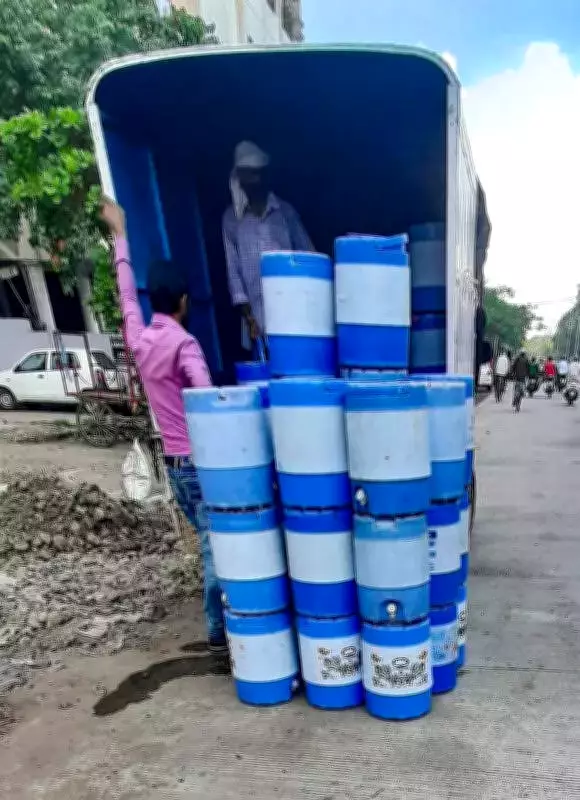
What emerged from the meeting was a startling clarification that has left enforcement agencies in a bind. FDA officials made it clear that only packaged drinking water—typically sealed bottled water—falls under their legal jurisdiction. The bulk 'canned water' supplied in 20-litre jars, which constitutes a significant portion of Nagpur's water consumption, does not come under FDA's regulatory purview.
FDA representatives reportedly stated that there are no specific provisions empowering them to initiate action against canned water plants, even when serious concerns are raised about water quality. This admission has intensified public health concerns, particularly since most of these plants operate in loosely regulated zones, many located along the polluted Nag and Pili river belts where they draw groundwater through borewells.

Political Intervention and Constitutional Concerns
North Nagpur MLA Nitin Raut recently stirred a policy-level debate by raising serious concerns about the unchecked proliferation of canned water plants in Nagpur. He alleged that thousands of citizens may be consuming water of questionable quality and flagged the issue at Mantralaya, questioning the lack of regulatory clarity.
"Raut demanded strict action against illegal units operating without proper licenses or quality checks," citing Articles 21 and 47 of the Constitution which establish access to clean drinking water as a fundamental right. The MLA warned that failure to act against errant operators would amount to compromising public health on a massive scale.
State-Level Directive and New Regulatory Framework
Following Raut's intervention, a high-level meeting chaired by Maharashtra Minister Narhari Zirwal directed the Nagpur Municipal Corporation to:
- Survey all unlicensed water plants within 15 days and submit a comprehensive report
- Frame and strictly enforce a Standard Operating Procedure for water purification, packaging, and distribution
- Establish clear accountability mechanisms for water quality monitoring
With regulatory responsibility now shifting squarely to the civic body, Additional Municipal Commissioner Vasumana Pant confirmed that NMC will prepare a comprehensive SOP to plug existing loopholes and strengthen monitoring systems. "We will try to identify gaps and frame stricter norms to ensure that canned water supplied in the city is safe for drinking," she stated.
Developing Comprehensive Water Safety Protocols
Sources revealed that the Water Works Department had previously drafted certain guidelines for canned water operations, but these lacked statutory backing and enforcement teeth. The fresh SOP being developed is expected to define several critical parameters:
- Water source verification and documentation requirements
- Purification standards and treatment protocols
- Laboratory testing frequency and methodology
- Clear penalties for violations and non-compliance
- Regular inspection schedules and reporting mechanisms
A Dangerous Regulatory Grey Zone
The entire episode has laid bare a dangerous regulatory grey zone where thousands of Nagpur residents consume jar water daily, but no single authority owns full accountability for ensuring its safety. The situation represents a significant public health vulnerability in a city where canned water has become an essential commodity for many households and businesses.

The coming weeks will test whether Nagpur Municipal Corporation can convert its stated intentions into enforceable safeguards that protect citizens from potentially contaminated water sources. The regulatory vacuum exposed in this meeting highlights the urgent need for coordinated action between municipal, state, and national authorities to establish comprehensive water safety frameworks.