

Water Test Uncovers Shocking Mustard Adulteration Scam in Madhya Pradesh
In a startling revelation that has exposed serious vulnerabilities in India's food supply chain, a simple water test has uncovered a major mustard adulteration scam in Madhya Pradesh. What was supposed to be common kitchen spice turned out to be nothing more than grains of clay, raising alarming questions about food safety protocols.
Warehouse Inspection Reveals Widespread Fraud
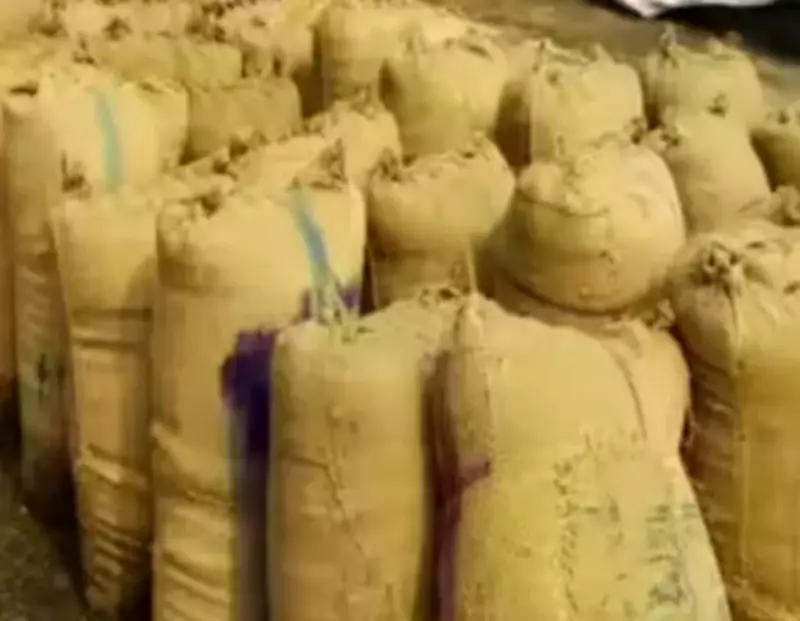
Acting on a formal complaint, officials from the National Agricultural Cooperative Marketing Federation of India Ltd (NAFED) conducted a thorough inspection of a warehouse located in Sagar district. The mustard seeds stored there, procured according to the Minimum Support Price (MSP) scheme established by the Central government, were subjected to rigorous testing.
When officials placed a handful of the supposed mustard seeds into a bowl of water, they witnessed a shocking transformation. Within mere minutes, the granules completely dissolved, revealing their true composition. Subsequent comprehensive testing confirmed that nearly 40% of the entire mustard stock consisted of clay granules rather than genuine mustard seeds.

How the Scam Came to Light
The fraudulent activity surfaced after NAFED auctioned mustard stored at an MP Warehousing and Logistics Corporation godown in Rehli, Sagar district, to a company based in Rajnandgaon, Chhattisgarh. During the stock lifting process, the purchasing firm raised serious concerns about the quality of the produce, noting that a substantial portion appeared suspicious.
This complaint triggered detailed inspections by NAFED officials, conducted in the presence of multiple stakeholders including warehouse authorities, cooperative society representatives, and independent surveyors. The collaborative examination confirmed the widespread adulteration that had been cleverly disguised.
"To the naked eye, the granules looked exactly like mustard seeds, but subsequent water and laboratory tests confirmed they were made of clay," revealed Ranjit Kumar Singh, deputy manager at NAFED's Bhopal office, in an exclusive statement.
Official Response and Legal Action
Describing the situation as a grave risk to consumer health and safety, NAFED took immediate legal action by filing a First Information Report (FIR) on January 17. The complaint has resulted in five officials being formally booked in connection with the case, highlighting the seriousness with which authorities are treating this food safety violation.
Scale of the Procurement and Financial Implications
According to details outlined in the FIR, NAFED had procured approximately 8,950 quintals of mustard during the 2024-25 rabi season through two cooperative societies operating in Rehli. The procurement followed the Centre's MSP scheme, with purchases made at the established rate of Rs 2,650 per quintal.
Of this substantial quantity:
- More than 8,600 quintals were successfully sold through auction
- Approximately 300 quintals remained stocked in the warehouse
- A significant portion of the sold stock contained adulterated material
This incident serves as a chilling reminder of how easily food safety can be compromised within the agricultural supply chain. The mustard scam has raised urgent questions about quality control mechanisms, procurement verification processes, and the need for more stringent testing protocols to protect consumers from potentially harmful adulterated food products.






