Mumbai Trauma Patient's 15km Hospital Odyssey Highlights Critical Gaps in Emergency Care
Mumbai: In a distressing incident that underscores severe deficiencies in Mumbai's emergency medical infrastructure, 62-year-old Naseem Banu was forced to undertake a harrowing 15-kilometer run-around between three hospitals before finally collapsing and being placed on a ventilator. Her family's frantic journey from Jogeshwari's HBT Trauma Hospital to Cooper Hospital in Juhu and ultimately to Kokilaben Hospital in Andheri was necessitated by the trauma center's lack of a working CT scan machine and an available neurosurgeon.
Emergency Admission and Initial Assessment
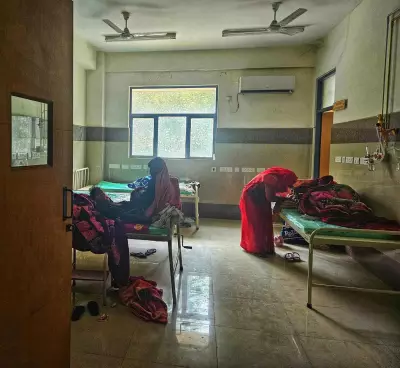
Naseem Banu was rushed to the HBT Trauma Hospital in an emergency after suffering a fall that resulted in blunt trauma to her head and abdomen, including a significant head wound measuring 3 x 3 x 2 cm. According to the hospital's medical superintendent, Dr. Hanumant Waikule, doctors examined her and suspected intracranial bleeding, indicating a critical haemorrhage. However, the hospital was ill-equipped to handle such a case, as it lacked both a functional CT scan to locate the bleeding and a neurosurgeon on duty to address it.
Dr. Waikule explained, "We advised them of admission at our hospital, but the condition was so severe that she would have to shift soon because we only have neurosurgeons on Tuesdays and Thursdays." The CT scan machine had been shut down for the past week following a short-circuit, leaving the facility unable to perform essential diagnostic procedures.

Frantic Transfers and Deteriorating Condition
Hospital staff informed the family that Naseem needed to be moved to Cooper Hospital for specialized attention. Since she was not formally admitted as a patient, the family had to arrange a private ambulance at a cost of several thousand rupees. During this transfer, her condition worsened significantly. Upon reaching Cooper Hospital, Naseem collapsed and was immediately placed on a ventilator.
This experience eroded the family's trust in the city's health system. At a substantial financial burden, her son confirmed that she was subsequently transferred to Kokilaben Hospital, where she is currently receiving intensive care in the ICU. The ordeal highlights not only logistical failures but also the emotional and economic toll on patients and their families during medical emergencies.
Broader Implications for Mumbai's Healthcare
This incident raises serious questions about the preparedness of designated trauma centers in Mumbai. The absence of critical equipment like CT scans and specialized medical personnel such as neurosurgeons can lead to life-threatening delays in treatment. It underscores an urgent need for systemic improvements to ensure that emergency facilities are fully functional and staffed to handle severe cases without forcing patients into perilous journeys across the city.
The case of Naseem Banu serves as a stark reminder of the vulnerabilities in urban healthcare systems, calling for enhanced infrastructure, better resource allocation, and more reliable emergency services to prevent such tragedies in the future.