Meningococcal Outbreak at Assam Regiment Centre in Shillong Claims Lives of Young Agniveer Trainees
In a concerning development, two suspected cases of meningococcal bacterial infection, which have reportedly resulted in fatalities, have been detected at the Assam Regiment Centre (ARC) in Shillong over the past two weeks. The incident has raised alarms within the military community and local health authorities, prompting swift action to prevent further spread.
Details of the Fatalities and Affected Personnel
The deceased individuals were young Agniveer trainees who were undergoing rigorous training at the ARC located in Happy Valley, Shillong. These trainees, part of the Agniveer scheme aimed at recruiting youth into the armed forces, have tragically succumbed to the infection, highlighting the vulnerability of personnel in close-quarters training environments.
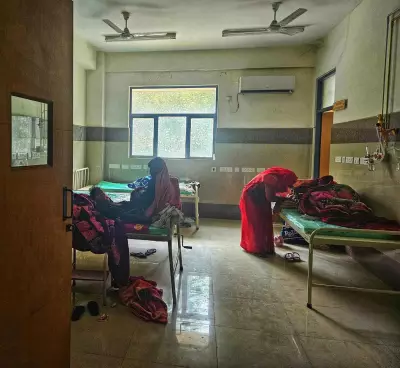
In addition to the fatalities, several other trainees are currently receiving medical treatment at the Military Hospital in Shillong. The exact number of affected individuals has not been disclosed, but authorities confirm that multiple cases are under observation, with efforts focused on containment and care.

Immediate Precautionary Measures Implemented by Defence Authorities
Defence authorities have acted promptly to contain the spread of the meningococcal infection. A public notice issued by the Defence Public Relations Officer (PRO) in Shillong outlined the steps taken, which include the administration of chemoprophylactic doses of ciprofloxacin to all identified contacts. This antibiotic is commonly used to prevent bacterial infections in such outbreaks.
Furthermore, stringent medical protocols have been enforced to minimize transmission risks. These measures include:
- Mandatory masking for all personnel at the ARC to reduce airborne transmission.
- Restrictions on movement within and around the training centre to limit contact and potential spread.
- Enhanced sanitation and hygiene practices across the facility.
The combination of these actions aims to create a controlled environment while medical teams monitor the situation closely.
Background on Meningococcal Infections and Military Health Concerns
Meningococcal infections are caused by the bacterium Neisseria meningitidis and can lead to severe illnesses such as meningitis and septicemia, often with rapid onset and high fatality rates if not treated promptly. Outbreaks in military settings are particularly concerning due to the close living and training conditions, which facilitate the spread of contagious diseases.
This incident at the Assam Regiment Centre underscores the ongoing challenges in maintaining health and safety in armed forces training programs, especially with the introduction of new recruitment schemes like Agniveer. It also highlights the importance of robust public health responses in confined communities.
Authorities continue to investigate the source of the infection and are working with local health departments to ensure comprehensive management. Updates on the condition of the hospitalized trainees and any further cases are expected as the situation evolves.