Tragic Death in LPG Queue Amid Panic Buying Frenzy
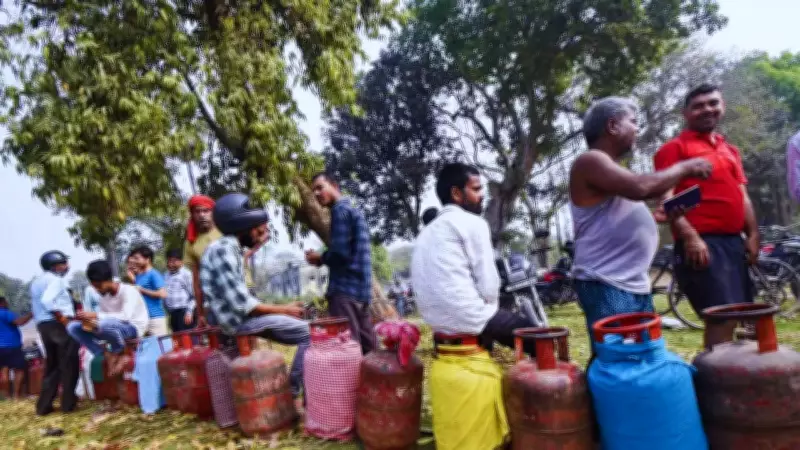
A man died of a suspected heart attack while waiting in a long queue to obtain an LPG cylinder in Sehna village of Punjab's Barnala district on Friday morning. The incident has drawn attention to the severe panic buying of fuel and cooking gas sweeping across several parts of the country.
Details of the Incident
The deceased has been identified as Bhushan Kumar. According to reports, he joined the queue outside an LPG distribution outlet at approximately 5am. Eyewitnesses stated that Kumar collapsed around 7.50am while standing in the queue, leading to immediate concern and distress among others waiting.
Widespread Panic Buying Context
This tragic event occurred against a backdrop of widespread panic buying of fuel and LPG cylinders across India. Consumers are rushing to secure supplies due to fears of shortages linked to the ongoing crisis in West Asia. Long queues have been reported not only at LPG distribution centers but also at petrol pumps, creating chaotic scenes in many regions.

System Overload and Technical Issues
The surge in demand has overwhelmed the booking systems of oil marketing companies. Distributors have reported repeated server crashes due to an unprecedented increase in refill requests. This technical failure has exacerbated the situation, leaving many consumers frustrated and anxious about their ability to obtain essential supplies.
Key Points:- The incident highlights the human cost of panic buying during times of perceived crisis.
- Authorities are urging calm and assuring the public about supply stability.
- Health experts warn about the risks of prolonged standing and stress in such queues, especially for vulnerable individuals.
This development underscores the broader impact of international tensions on domestic markets and everyday life. As the situation evolves, officials are monitoring distribution networks to prevent further incidents and ensure smooth supply chains.