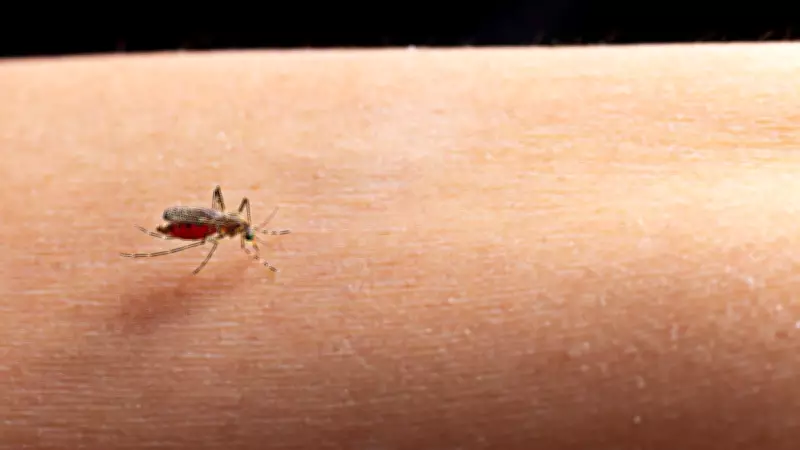
Malaria, dengue, and viral fever are common illnesses that often present with fever and body aches, making them difficult to differentiate. However, understanding their distinct symptom patterns is crucial for timely treatment. Here is a comprehensive guide to help you recognize the differences.
Malaria: Cyclical Fever and Chills
Malaria is caused by Plasmodium parasites transmitted through mosquito bites. Its hallmark is cyclical fever spikes every 48 to 72 hours, accompanied by severe chills, sweating, headache, and muscle pain. Other symptoms include nausea, vomiting, and fatigue. Malaria can lead to complications like anemia or organ failure if untreated. Seek medical help if you experience high fever with rigors, especially after traveling to endemic areas.
Dengue: High Fever with Severe Body Pain
Dengue, also mosquito-borne, causes sudden high fever (up to 104°F) lasting 2-7 days. It is known as "breakbone fever" due to intense muscle and joint pain. Other symptoms include severe headache, pain behind the eyes, rash, and mild bleeding (nose or gums). Warning signs of severe dengue include abdominal pain, persistent vomiting, bleeding, and lethargy. Immediate medical attention is needed if these occur.

Viral Fever: Gradual Onset with Respiratory Symptoms
Viral fevers, often from influenza or adenovirus, have a gradual onset with moderate fever, cough, sore throat, runny nose, and general malaise. Body aches are milder than dengue. Symptoms typically resolve in 3-7 days. However, if fever persists beyond a week or breathing difficulties develop, consult a doctor.
When to See a Doctor
- High fever (above 103°F) not responding to medication.
- Severe headache, especially with eye pain or light sensitivity.
- Rash, bleeding, or easy bruising.
- Persistent vomiting or inability to keep fluids down.
- Confusion, drowsiness, or seizures.
- Difficulty breathing or chest pain.
Diagnosis and Treatment
Blood tests (rapid antigen or PCR) confirm the cause. Malaria requires antimalarial drugs; dengue needs supportive care (hydration, pain relievers); viral fever is managed with rest and symptom relief. Avoid self-medication, especially with NSAIDs in suspected dengue, as they increase bleeding risk.
Early detection and proper care can prevent complications. Stay vigilant, especially during monsoon seasons when mosquito-borne diseases peak.