

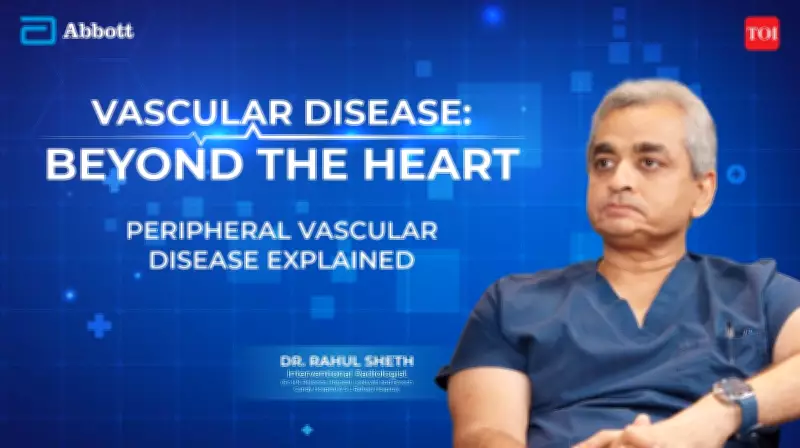
Peripheral Vascular Disease (PVD) often goes unnoticed, but your legs may reveal early warning signs long before serious cardiovascular complications arise. In a recent episode of Vascular Disease: Beyond The Heart, host Anisha Nayar Dhawan spoke with Dr. Rahul Sheth, an Interventional Radiologist, to shed light on this often-missed condition.
What Is Peripheral Vascular Disease?
PVD is a circulatory condition where narrowed blood vessels reduce blood flow to the limbs, typically the legs. It is commonly caused by atherosclerosis, the buildup of plaque in arteries.
Early Symptoms People Often Ignore
- Leg pain or cramping during walking or exercise (claudication)
- Numbness or weakness in the legs
- Coldness in the lower leg or foot
- Sores or wounds on the toes, feet, or legs that heal slowly
- Change in skin color (pale or bluish)
- Loss of hair on the legs
The Link Between Diabetes, Smoking, and Poor Circulation
Diabetes and smoking significantly increase the risk of PVD. High blood sugar damages blood vessels, while smoking accelerates plaque buildup. Poor circulation can lead to severe complications like gangrene and amputation if untreated.

Why Leg Pain Should Never Be Dismissed
Many people attribute leg pain to aging or fatigue, but it could be a sign of PVD. Ignoring it may delay diagnosis and increase the risk of heart attack or stroke.
Modern Diagnosis and Treatment Options
Diagnosis involves a physical exam, ankle-brachial index (ABI), ultrasound, or angiography. Treatments include lifestyle changes, medication, and minimally invasive procedures like angioplasty or stenting.
How Early Intervention Can Prevent Severe Complications
Early detection and management of PVD can prevent progression to critical limb ischemia, reduce pain, and improve quality of life. Dr. Sheth emphasizes that awareness and timely diagnosis are critical.
This conversation, presented by Abbott in collaboration with The Times of India, simplifies complex vascular health topics and highlights why awareness matters.






