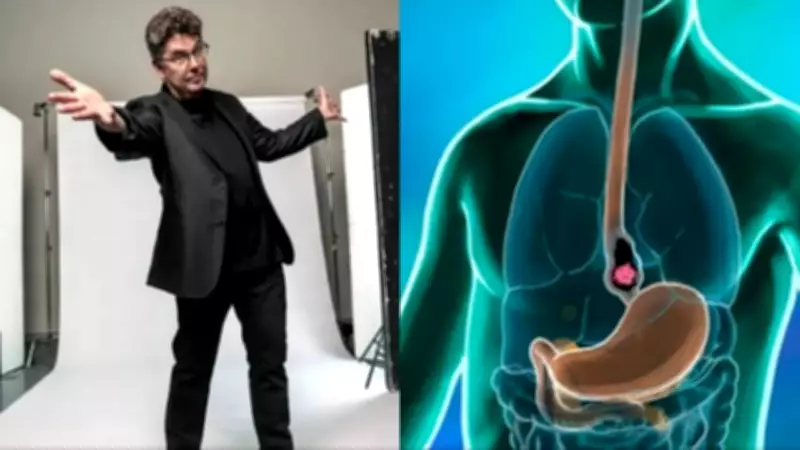
James Valentine's Personal Journey Brings Global Attention to Oesophageal Cancer
Australian radio presenter James Valentine's deeply personal health story has cast a worldwide spotlight on one of the deadliest yet least understood forms of cancer. Valentine, a well-known media figure for many years, publicly shared his two-year battle with oesophageal cancer, a condition notoriously detected at very late stages. His candid narrative has ignited crucial conversations about awareness, dignity, and end-of-life choices.
Valentine's Diagnosis and Public Struggle
In March 2024, James Valentine revealed his diagnosis of oesophageal cancer after experiencing difficulty swallowing, a key symptom. A tumour was discovered at the junction of his oesophagus and stomach. Despite undergoing major surgery, chemotherapy, and radiation, he maintained an open and often humorous connection with his audience, describing himself as "hopeful and terrified" at the time of diagnosis. Over the following year, Valentine briefly returned to broadcasting, but further scans revealed additional tumours, forcing him to step back permanently to focus on treatment and family time.
His two-year fight concluded in April 2026 at age 64 when he opted for voluntary assisted dying at home, surrounded by his family. Throughout his journey, Valentine was remarkably public, using his voice to highlight an issue often diagnosed too late. He transformed his personal fight into a broader public dialogue about how we confront serious illness and mortality.

Oesophageal Cancer: A Silent Disease with Subtle Warning Signs
Oesophageal cancer rarely announces itself loudly. Initial signs such as difficulty swallowing, persistent reflux, or unexplained weight loss are frequently ignored or attributed to less serious health issues. Most patients discover the disease only after it has advanced, leading to a very low survival rate worldwide due to late diagnosis and rapid spread.
Valentine's story exemplifies this trend. His diagnosis stemmed from a brief symptom, illustrating how easily early danger signs can be overlooked. This underscores the critical need for heightened vigilance and prompt medical consultation when such symptoms arise.
Why Men Face a Higher Risk of Oesophageal Cancer
One striking aspect of oesophageal cancer is its significant gender imbalance. Scientific evidence consistently shows that men are far more likely to suffer from this disease than women. A 2026 study published in the International Journal of Cancer noted, "Incidence rates of oesophageal adenocarcinoma remain significantly higher in men, with lifestyle and hormonal factors contributing to this disparity."
These findings align with long-standing data indicating that risk factors like smoking, alcohol consumption, and acid reflux are either more common or more harmful in men. This gender disparity highlights the importance of targeted awareness campaigns and preventive measures for male populations.
The Role of Lifestyle and Early Intervention in Prevention
While genetics play a part, lifestyle factors are major drivers of oesophageal cancer risk. Researchers stated in a 2026 study in The Lancet Gastroenterology & Hepatology, "A substantial proportion of oesophageal cancer cases are attributable to preventable factors, including tobacco use, alcohol consumption and obesity."
This emphasizes that many cases could be prevented or diagnosed earlier through improved awareness and regular screening, especially for high-risk individuals. Despite medical advances, early diagnosis remains a significant hurdle. A 2026 paper in Nature Reviews Gastroenterology & Hepatology highlighted, "Most patients are diagnosed at advanced stages due to non-specific early symptoms and limited screening uptake."
In essence, the challenge lies not only in the disease itself but in its quiet progression. Valentine's story resonates because many people dismiss early discomfort, delay check-ups, or assume symptoms will pass. His openness about treatment, recovery, and uncertainty mirrors the reality faced by thousands of patients globally.

Key Takeaways and Call to Action
Oesophageal cancer may not be the first cancer that comes to mind, but it ranks high among cancers causing death worldwide. Survival chances largely depend on early detection. Valentine's story serves as a stark warning that minor symptoms could signal something more serious.
Medical research continues to advance, but one of the most effective tools we have today is increased awareness and early action. By educating the public about risk factors and symptoms, we can improve outcomes and save lives.
Note: The information provided in this article is for educational purposes only and is not intended as medical advice. Always consult with a qualified healthcare professional before starting any new medication or treatment and before changing your diet or supplement regimen.