

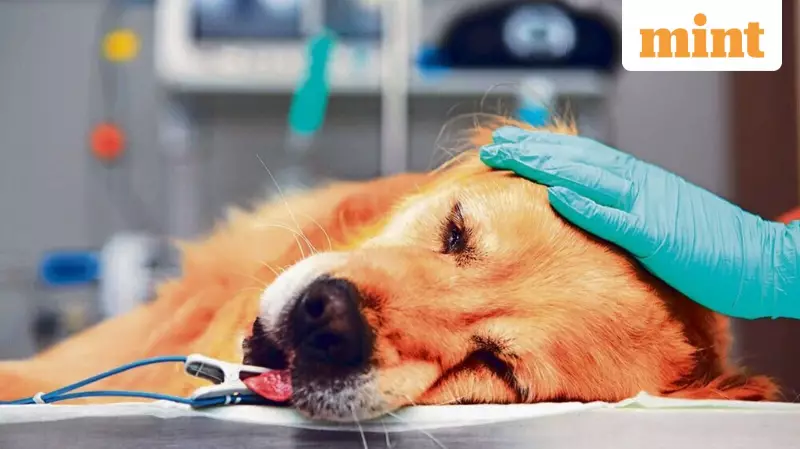
India Establishes Pioneering National Standards for Veterinary Clinics
In a landmark move, the Indian government has finalized comprehensive national guidelines for veterinary clinics, marking the first time such standards have been formalized to enhance quality care and accessibility for animals nationwide. This initiative aims to modernize medical services for both livestock and companion animals, such as dogs and cats, addressing long-standing disparities in veterinary infrastructure.
Modernizing Animal Healthcare Across India
The Department of Animal Husbandry and Dairying (DAHD) has introduced these guidelines to establish minimum infrastructure and staffing norms, ensuring consistent and high-quality veterinary services. According to officials, this development is crucial for India's veterinary clinics and hospitals market, valued at $2.1 billion, as it sets benchmarks to reduce regional inequalities and guide state-level planning and funding.
Key components of the guidelines include:

- Specific physical requirements like animal examination areas with cattle crushes, minor surgery units, and medicine-dispensing rooms for primary centres.
- A structured four-tier institutional system to streamline care from grassroots to advanced levels.
- Clear human resource norms, mandating a minimum staff strength of 19 professionals for district hospitals and at least one qualified veterinary doctor per 1,000 cattle heads at primary centres.
Four-Tier System for Comprehensive Care
The new framework introduces a hierarchical approach to veterinary services:
- Primary Veterinary Care Centres (PVCCs): Serving clusters of gram panchayats, focusing on vaccinations, common ailments, and minor surgeries.
- Block Veterinary Hospitals: Located at the tehsil level, handling moderate-to-complex cases and providing diagnostic services.
- District Veterinary Hospitals: Acting as regional hubs for emergency care and advanced diagnostics.
- State Veterinary Polyclinics and Super Speciality Hospitals: Offering specialized services such as virology, digital imaging, and dental care, equipped with operation theatres and labs.
Addressing Infrastructure and Staffing Gaps
India currently has 30,184 government-run veterinary dispensaries, 24,532 aid centres, and 13,173 hospitals, alongside approximately 10,000 private clinics. The guidelines aim to bridge gaps in these facilities, many of which lack basic infrastructure. Experts highlight that this move will ensure timely and scientific treatment for animals, regardless of location, while also supporting mobile veterinary units for last-mile reach via toll-free call centres.
Dr. Kunal Dev Sharma, chief veterinary surgeon at MaxPetZ, emphasized, "These standards define minimum norms for space, infrastructure, manpower, and equipment, differentiating primary, secondary, and tertiary care facilities, which will significantly improve quality healthcare for pets and livestock."
Economic and Social Implications
The livestock sector contributes 5.49% or ₹8.86 trillion to India's gross value added, with exports reaching ₹66,249 crore in FY25. Dr. Piyush Patel, a veterinarian, noted, "While the livestock sector's economic contribution is immense, these standards affirm that animal well-being is a national priority." However, he urged a focus on addressing staff shortages and skill development to maximize the framework's potential.
With a pet population of 35 million and over 535 million livestock animals, these guidelines are expected to strengthen disease surveillance, ensure ethical practices, and boost the overall health of India's animal population, paving the way for a more robust veterinary ecosystem.






