India Takes Major Stride in Public Health with Launch of Indigenous Td Vaccine
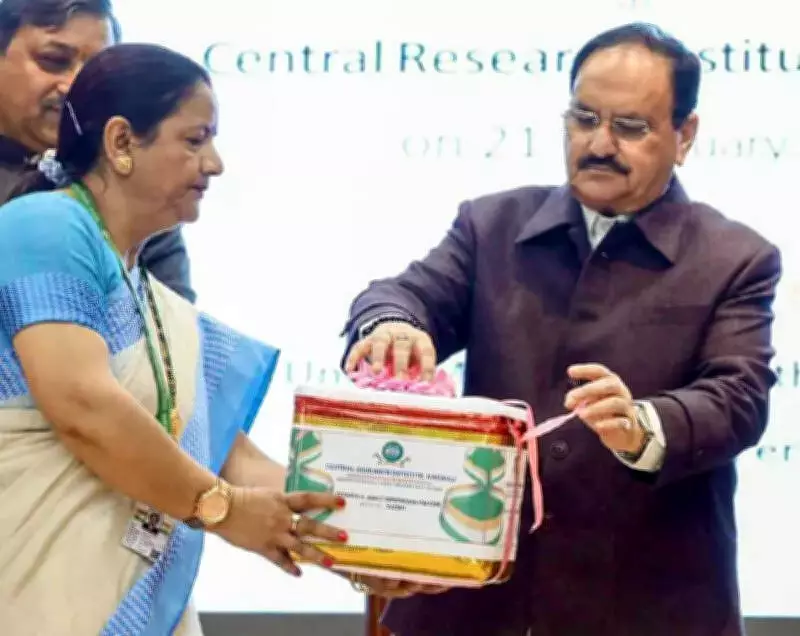
In a landmark development for the nation's healthcare sector, Union Health Minister J P Nadda officially launched the domestically manufactured tetanus and adult diphtheria (Td) vaccine on Saturday. The significant event took place at the Central Research Institute (CRI) in Kasauli, Himachal Pradesh, with the minister hailing it as a crucial advancement in safeguarding public health and achieving self-sufficiency in vaccine production.
Strengthening India's Universal Immunisation Programme
Addressing the gathering at the launch ceremony, Minister Nadda highlighted the pivotal role of India's Universal Immunisation Programme (UIP), which stands as the largest of its kind globally. This comprehensive programme provides 12 essential vaccines that protect citizens against 11 different diseases, ensuring widespread immunization coverage across the country.
The CRI is poised to make a substantial contribution this year by supplying 55 lakh doses of the newly launched Td vaccine to the UIP. This infusion of domestically produced vaccines will enhance the programme's efficiency and reliability, reducing dependency on international suppliers.

Achieving Global Leadership in Vaccine Manufacturing
Nadda emphasized India's prominent position as a global leader in vaccine manufacturing, noting that the country has attained WHO Maturity Level 3. This prestigious designation indicates that India possesses a stable, well-functioning national regulatory authority, capable of overseeing high-quality vaccine production and distribution.
The minister drew a stark contrast between historical vaccine accessibility and modern achievements. He pointed out that vaccines for critical diseases like tetanus, tuberculosis, and diphtheria took several decades to reach India after their global introduction. For instance, the Japanese Encephalitis vaccine was launched worldwide in 1906 but only arrived in India a full century later, in 2006.
Rapid Response and Digital Advancements
In sharp contrast to these historical delays, Nadda highlighted India's rapid and robust response during the COVID-19 pandemic. The nation developed two indigenous vaccines and administered an impressive 220 crore doses within just nine months, while also supplying vaccines to over 100 countries worldwide. This demonstrates India's growing capability and commitment to global health security.
The Union minister also praised the transformative impact of the 'Digital India' initiative, which has enabled the issuance of online vaccination certificates, streamlining the immunization process and enhancing record-keeping efficiency. He acknowledged the valuable contributions from various research institutes and healthcare organizations that have supported these advancements.
Institutional Achievements and Future Prospects
During the launch event, CRI director Dr. Dimple Kasana shared insights into the institute's recent accomplishments and ongoing research efforts. The successful development and production of the Td vaccine underscore CRI's vital role in advancing India's pharmaceutical and healthcare sectors.
This launch not only marks a significant milestone in India's journey toward vaccine self-reliance but also reinforces the government's commitment to strengthening public health infrastructure. By reducing import dependencies and enhancing domestic production capabilities, India is better positioned to address current and future health challenges effectively.