

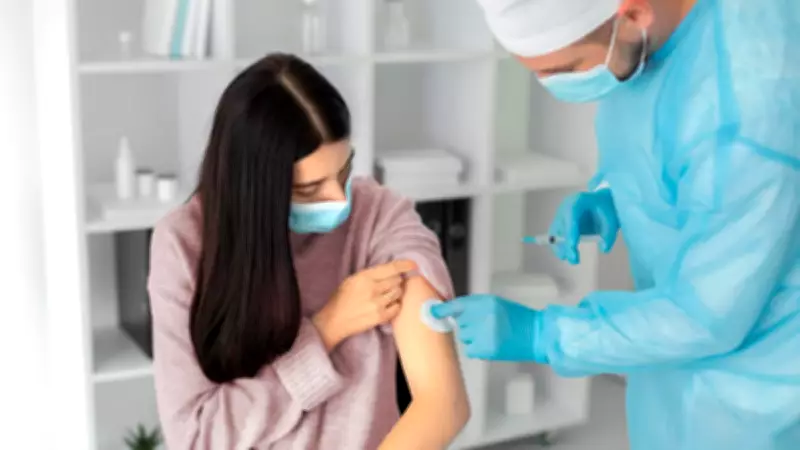
HPV Vaccine Aftercare: Essential Guidelines for Post-Vaccination Health
The Human Papillomavirus (HPV) vaccine is a critical tool in preventing cervical cancer and other HPV-related diseases, offering significant protection when administered correctly. However, proper aftercare following the HPV shot is equally important to ensure the vaccine's effectiveness and manage any potential side effects. Understanding the dos and don'ts after receiving the HPV vaccine can help individuals navigate the post-vaccination period safely and comfortably.
Immediate Post-Vaccination Care: What to Do Right After the Shot
After receiving the HPV vaccine, it is essential to follow specific steps to minimize discomfort and monitor your body's response. Firstly, remain at the vaccination site for at least 15 to 30 minutes to allow healthcare providers to observe for any immediate allergic reactions, which are rare but possible. During this time, rest and avoid strenuous activities to let your body adjust.
Apply a cold compress or ice pack to the injection site if you experience pain, swelling, or redness. This can help reduce inflammation and provide relief. Additionally, stay hydrated by drinking plenty of water, as proper hydration supports your immune system and can alleviate mild side effects like fatigue or headache.

Keep a record of your vaccination details, including the date, vaccine brand, and any symptoms you experience. This information is valuable for future medical consultations and ensuring you complete the recommended vaccine schedule, typically involving two or three doses depending on age and health status.
Common Side Effects and How to Manage Them
The HPV vaccine is generally safe, but some individuals may experience mild side effects that are part of the body's normal immune response. Common symptoms include pain, redness, or swelling at the injection site, which usually subside within a few days. Over-the-counter pain relievers like acetaminophen or ibuprofen can be used to manage discomfort, but consult a healthcare professional before taking any medication.
Other possible side effects include fever, headache, dizziness, or nausea. These are typically temporary and resolve on their own. Resting, staying hydrated, and eating light, nutritious meals can help alleviate these symptoms. If side effects persist or worsen, seek medical advice promptly.
It is important to note that severe reactions to the HPV vaccine are extremely rare. However, be vigilant for signs of a serious allergic reaction, such as difficulty breathing, swelling of the face or throat, or a rapid heartbeat. In such cases, seek emergency medical attention immediately.
Activities to Avoid After HPV Vaccination
To ensure a smooth recovery and maximize the vaccine's benefits, certain activities should be avoided in the days following the HPV shot. Refrain from heavy exercise or intense physical activities for at least 24 to 48 hours, as this can exacerbate side effects like muscle soreness or fatigue. Instead, opt for light activities such as walking or gentle stretching.
Avoid consuming alcohol or tobacco products immediately after vaccination, as they can interfere with your immune response and potentially worsen side effects. Similarly, steer clear of hot baths, saunas, or direct heat on the injection site, as heat can increase swelling and discomfort.
Do not skip or delay subsequent vaccine doses without consulting a healthcare provider. Completing the full HPV vaccine series is crucial for achieving optimal protection against HPV-related cancers and diseases. If you have concerns about the vaccine schedule, discuss them with your doctor to find a suitable plan.
Long-Term Aftercare and Health Monitoring
Beyond the immediate post-vaccination period, long-term aftercare involves maintaining overall health and staying informed about HPV prevention. Continue to practice safe sex and regular health check-ups, as the HPV vaccine does not protect against all strains of the virus or other sexually transmitted infections.
Women should adhere to recommended cervical cancer screening guidelines, such as Pap smears or HPV tests, even after vaccination. These screenings are essential for early detection of any abnormalities and complement the vaccine's protective effects.

Stay updated on booster shots or additional vaccinations if recommended by health authorities. As research evolves, new guidelines may emerge to enhance protection against HPV. Engage in a healthy lifestyle with a balanced diet, regular exercise, and stress management to support your immune system and overall well-being.
By following these aftercare guidelines, individuals can ensure a safe and effective HPV vaccination experience, contributing to long-term health and cancer prevention efforts.





