Himachal Pradesh, known for its serene landscapes and tourism, is grappling with a severe drug abuse crisis. The state government has declared an 'uphill war' against drugs, implementing a multi-pronged strategy encompassing enforcement, prevention, and rehabilitation. This article delves into the current state of the drug menace, the government's response, and the challenges ahead.
The Scale of the Problem
Drug abuse in Himachal has reached alarming levels, particularly among the youth. According to recent data, over 1,000 cases under the Narcotic Drugs and Psychotropic Substances (NDPS) Act were registered in 2022, with a significant rise in the use of heroin and synthetic drugs. The districts of Mandi, Kullu, and Shimla are hotspots, with rural areas also witnessing increased consumption. The easy availability of cannabis, locally known as 'charas', and the influx of pharmaceutical opioids have exacerbated the crisis.
Government Measures
The state government has launched a comprehensive action plan. Key initiatives include:

- Strengthening Enforcement: Special task forces have been formed to dismantle drug networks. In 2023, over 500 drug peddlers were arrested, and large quantities of contraband seized.
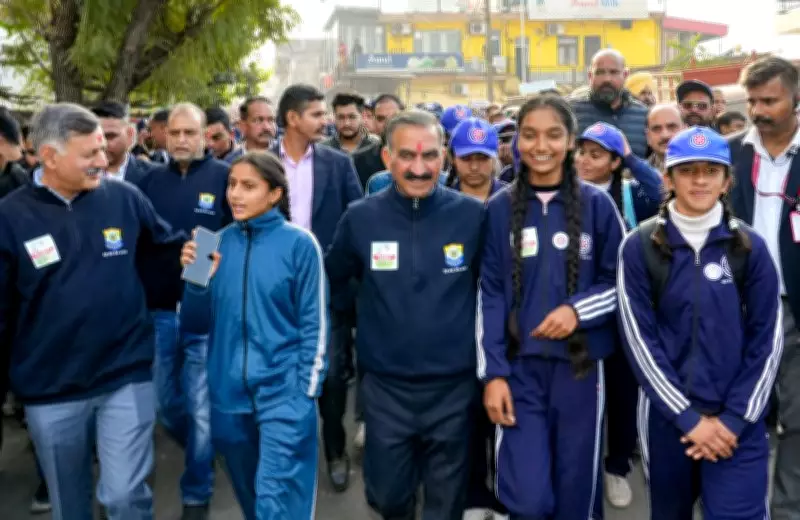
- Prevention and Awareness: Campaigns in schools and colleges, involving parents and teachers, aim to educate youth about the dangers of drug use. The 'Nasha Mukt Himachal' initiative includes street plays, workshops, and social media outreach.
- Rehabilitation Centers: The government is setting up de-addiction centers in each district. Currently, 12 centers operate, providing counseling, medical treatment, and vocational training. However, capacity remains limited, with long waiting lists.
Challenges in the War Against Drugs
Despite these efforts, several obstacles persist. The geographical terrain makes surveillance difficult, and the state's borders with Punjab and Jammu & Kashmir facilitate drug trafficking. Corruption and lack of resources hinder enforcement. Moreover, societal stigma prevents many addicts from seeking help. The rehabilitation process is lengthy, with high relapse rates due to inadequate aftercare and community support.
Community and Stakeholder Involvement
Local communities, NGOs, and panchayats are increasingly participating in the anti-drug drive. The 'Drug-Free Village' competition incentivizes villages to achieve zero drug abuse. Religious leaders and former addicts are also involved in awareness campaigns. However, experts argue for stronger mental health services and economic opportunities for vulnerable populations to address root causes.
Way Forward
The state's war against drugs requires sustained political will, increased funding, and inter-state cooperation. A shift towards public health approaches, emphasizing treatment over punishment, is recommended. Long-term solutions include improving education, employment, and recreational facilities for youth. Himachal's battle is a microcosm of India's larger drug problem, and its success could serve as a model for other states.