

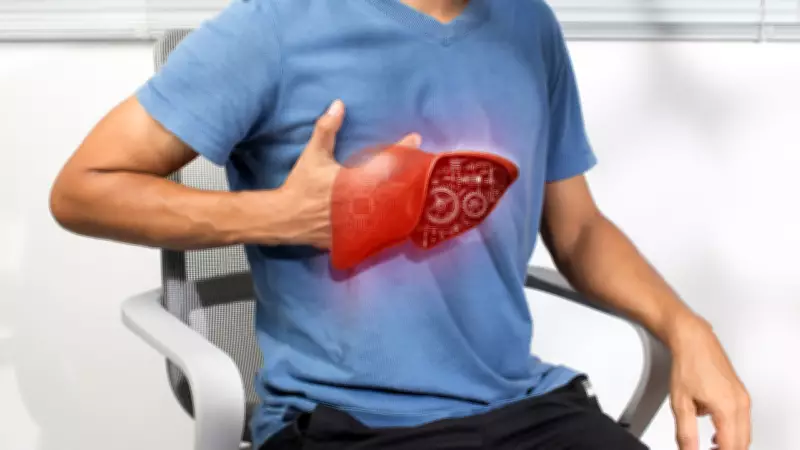
The ‘Healthy’ Person with Liver Disease: How It Happens
A routine blood test can deliver a surprising shock. No fatigue, no pain, no warning signs—yet the report points to the liver. Many people cannot reconcile this with their self-image of health. Liver disease is still widely associated with alcohol or visible illness, but that perception is changing.
Hepatologist Dr. Vinay Kumar BR explains, “It’s not unusual for someone to come in with completely normal day-to-day health and then be told there’s an issue with the liver. No real complaints, no clear symptoms—just an unexpected finding on a routine test.” That gap between how the body feels and what’s happening inside is where modern liver disease often hides.
When ‘Looking Healthy’ Hides the Real Story
The comforting idea that illness must show on the outside is not always true. A person may maintain a steady weight, eat what seems like a balanced diet, and still develop fatty liver. “A person may look fit, maintain a stable weight, and still have fat accumulating in the liver,” says Dr. Kumar. This condition is often linked to non-alcoholic fatty liver disease (NAFLD). It does not depend on appearance but on how the body processes fat and sugar at a deeper metabolic level.

The Small Daily Habits That Quietly Add Up
Nothing dramatic triggers this condition. There is no single bad day or obvious turning point. Instead, it builds slowly. Long gaps between meals, irregular eating times, late-night snacking, and prolonged sitting can shift how the body handles energy. Over time, the liver begins storing more fat than it should. Dr. Kumar notes, “Long gaps between meals, erratic eating patterns, and limited movement through the day can gradually affect metabolic balance.” Even mild insulin resistance—when the body struggles to use sugar properly—can push fat toward the liver. The NIH has also flagged sedentary lifestyles as a major driver of metabolic diseases in its national health reports.
Food Isn’t Always the Villain, but Patterns Matter
It is rarely about one unhealthy meal. The problem lies in repetition. Frequent snacking, hidden sugars in packaged foods, and oversized portions—even of “healthy” items—can tip the balance. A smoothie bowl, a handful of nuts, or a second serving of dinner may seem harmless in isolation. But over weeks and months, these patterns begin to matter. “There isn’t usually one clear problem with the diet. It’s more about small habits that add up over time,” Dr. Kumar explains. This is where the idea of “healthy eating” needs a reset. It is not just about what is eaten, but how often, how much, and how consistently.
No Alcohol, Yet Liver Disease? Yes, It Happens
One of the biggest myths is that liver disease must involve drinking. That assumption delays diagnosis. “In many cases now, alcohol isn’t part of the picture,” says Dr. Kumar. Globally, NIH shows that NAFLD is rising alongside diabetes and obesity, even among people who do not drink at all. This shift means many people do not consider screening. They simply do not see themselves at risk.
The Silent Nature of the Liver
The liver is resilient. It keeps working even when fat begins to build up or mild inflammation sets in. That is why early stages feel invisible. “The liver continues to function despite fat buildup… there are usually no clear warning signs,” Dr. Kumar says. Most diagnoses happen by accident—during routine blood work or an ultrasound done for something else. By the time symptoms like fatigue or discomfort appear, the condition may have already progressed.
The Good News: Early Changes Can Be Reversed
There is a reassuring side to this story. When detected early, fatty liver can often be managed and even reversed. It does not require extreme diets or punishing routines. Instead, steady and realistic changes work best: regular meal timings, balanced portions, daily movement (even brisk walking), and better sleep patterns. “What matters more is consistency rather than short-term changes,” Dr. Kumar emphasizes. Over time, these small corrections help the liver recover and improve overall metabolic health.

Looking at ‘Healthy’ a Little Differently
Feeling fine does not always mean everything is in balance. The body can stay silent while internal changes build. So what does “healthy” really mean? It means paying attention even when nothing feels wrong. It means not skipping routine tests. And it means respecting small, daily habits that often go unnoticed. Because in many cases, liver disease does not arrive loudly. It settles in quietly and waits to be found.
Medical Experts Consulted
This article includes expert inputs shared with TOI Health by Dr. Vinay Kumar BR, Consultant Hepatologist at Gleneagles BGS Hospital, Kengeri, Bangalore. His insights were used to explain how fatty liver disease can develop silently in people who appear healthy, and why regular screening and consistent lifestyle habits are crucial for early detection.





