Heart Attacks Demystified: Critical Knowledge for Indian Heart Health
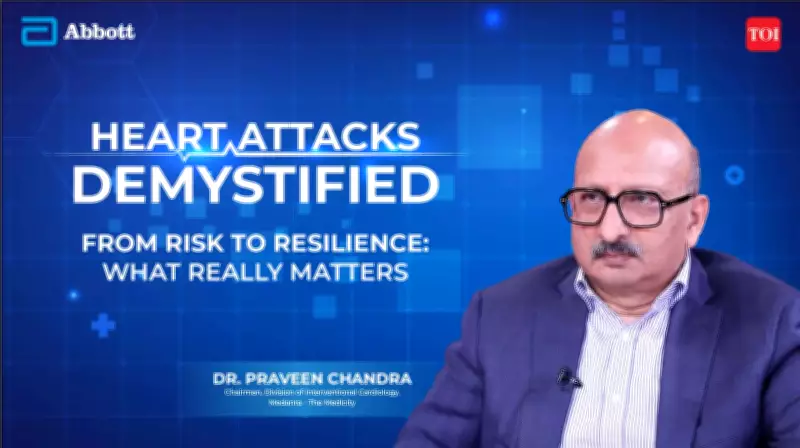
In a comprehensive discussion, health experts Anisha Nayar Dhawan and Padma Shri Dr. Pravin Chandra have shed light on the pressing issue of heart disease among Indians. Their insights reveal why this population faces cardiovascular problems at younger ages compared to global counterparts, emphasizing that heart attacks are serious yet largely preventable through proactive measures.
Why Indians Experience Heart Disease Earlier
The experts explain that genetic predisposition combined with modern lifestyle factors creates a perfect storm for early-onset heart disease in India. Traditional diets high in refined carbohydrates and saturated fats, coupled with increasingly sedentary urban lifestyles, contribute significantly to rising cholesterol levels, hypertension, and diabetes—all major risk factors for cardiovascular events.
Prevention Through Lifestyle and Screening
Lifestyle modifications represent the first line of defense against heart attacks. The discussion highlights several key areas:

- Dietary changes: Reducing processed foods, increasing fiber intake, and controlling portion sizes
- Physical activity: Incorporating regular exercise, even through simple daily walking routines
- Stress management: Developing coping mechanisms for work and life pressures
- Tobacco avoidance: Eliminating smoking and tobacco use in all forms
Equally important is regular health screening. The experts stress that routine check-ups can detect warning signs long before symptoms appear, allowing for early intervention. They recommend specific tests for different age groups and risk profiles.
Advancements in Modern Cardiac Care
Medical technology has transformed heart attack treatment in recent years. Today's cardiac care offers:
- Faster diagnosis: Advanced imaging techniques and biomarker tests that identify heart attacks within minutes
- Minimally invasive procedures: Angioplasty and stent placement through small incisions with reduced recovery time
- Improved medications: Newer drugs that better manage cholesterol, blood pressure, and prevent clots
- Rehabilitation programs: Structured recovery plans that help patients return to normal activities safely
The Takeaway: Prevention and Timely Action
The central message from the discussion is clear: heart attacks demand respect but need not be feared. With proper awareness, lifestyle adjustments, and utilization of available medical resources, most cardiovascular events can be prevented. The experts reinforce that recognizing symptoms early and seeking immediate medical attention when they occur can mean the difference between full recovery and permanent damage.
This comprehensive look at heart health provides Indians with practical knowledge to navigate their cardiovascular wellbeing in today's challenging environment, emphasizing that prevention truly is better than cure when it comes to heart disease.