

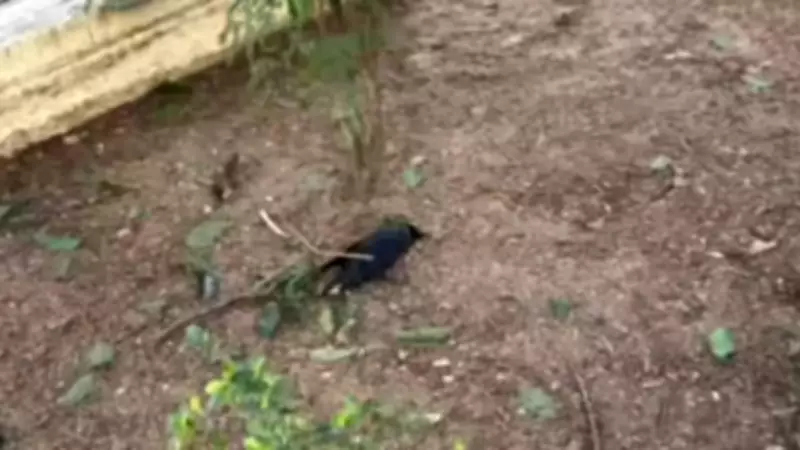
H5N1 Avian Influenza Confirmed as Cause of Mysterious Crow Deaths in Chennai
In a significant development, the mysterious deaths of several crows in Chennai last month have been officially confirmed as caused by the H5N1 avian influenza. This confirmation follows an initial report by TOI on unexplained crow fatalities in the Adyar area, prompting swift action from health and animal welfare authorities.
Investigation and Laboratory Confirmation
Responding to the alarming reports, the Tamil Nadu Animal Husbandry Department’s Animal Disease Intelligence Unit collected samples from the city during the fourth week of January. These samples were sent to the ICAR-NIHAS laboratory in Bhopal for thorough analysis. Laboratory tests conclusively identified the presence of the highly pathogenic H5N1 strain, a virus known for its zoonotic potential, meaning it can potentially transmit from animals to humans.
Government Response and Biosecurity Measures
The Union Ministry of Fisheries, Animal Husbandry and Dairying has formally written to the Tamil Nadu chief secretary, confirming the H5N1 outbreak and urging the state to implement enhanced biosecurity protocols. Key directives include:

- Intensifying surveillance of poultry populations to monitor for any signs of infection.
- Instructing civic bodies to conduct thorough disinfection in areas where bird deaths were reported.
- Alerting forest and wildlife departments to check for unusual mortality in wild birds.
- Banning bare-handed contact with dead birds; handlers must wear gloves and wash thoroughly with soap and water.
- Advising veterinary staff to avoid field postmortems and instead send carcasses to designated regional disease diagnostic laboratories.
- Emphasizing safe disposal methods, such as burning or burying dead crows and poultry at least 8-10 feet deep to prevent scavenging animals from spreading the virus.
GCC veterinary officer J Kamal Hussain stated that sanitation workers have been instructed to report group deaths of crows, and land is being identified for deep burials. He noted that fewer deaths have been reported in the recent week, indicating some control measures may be taking effect.
Public Health Advisory and Human Risk Assessment
Following the confirmation, the state’s directorate of public health and preventive medicine issued a public health advisory to address community concerns. Dr A Somasundaram, director of public health, reassured the public, stating, “Transmission from birds to humans is extremely rare, except in cases where people touch carcasses with the live virus in them and then touch body parts such as mouth or eyes. There are not many such cases reported historically and there is no need to panic.”
However, the department has urged vigilance, particularly among high-risk groups:
- Poultry workers, bird handlers, and individuals who have come into contact with dead birds should monitor for symptoms and report any issues to government health facilities.
- People experiencing influenza-like symptoms, such as fever, cough, cold, sore throat, or body pain, are advised to seek medical attention immediately.
- The public is encouraged to report unusual bird deaths, maintain strict personal hygiene, avoid undercooked meat and raw or partially cooked eggs, stay away from areas where bird flu has been reported, and refrain from spreading rumors.
National and Global Context
This outbreak in Chennai echoes similar H5N1 detections in other Indian states, including Kerala and Bihar, highlighting a broader national concern. Globally, the World Health Organization reports 261 human infections from 2003 to 2024, with most cases being severe. However, in India, no human cases have been reported to date.
Dr Ram Gopalakrishnan, an infectious diseases specialist at Apollo Hospitals, commented, “It’s circulating abroad, but we’ve dodged it so far. Vigilance is key.” This underscores the importance of continued monitoring and preventive measures to safeguard both animal and human health.

The combined efforts of animal husbandry, public health, and civic authorities aim to contain the outbreak and prevent any potential spread, ensuring public safety while addressing the environmental impact of the virus.





