

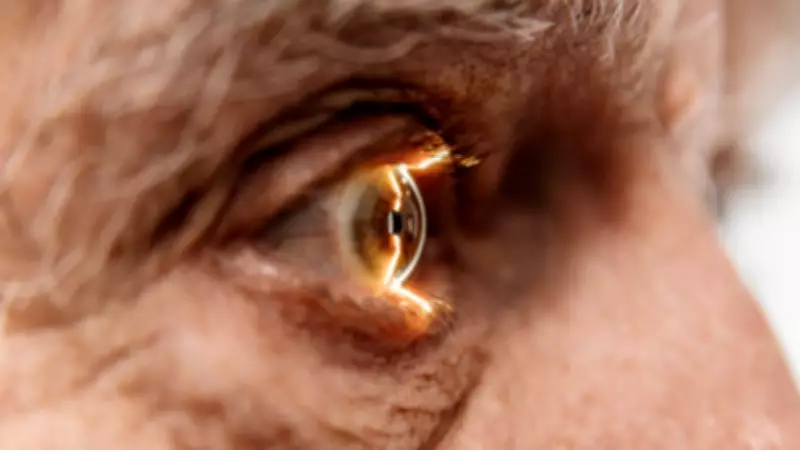
Glaucoma is often described as a condition that creeps up without warning. Individuals may have high blood pressure, a family history of the disease, or fall into the high-risk age category, yet feel perfectly healthy. This deceptive normalcy is precisely what makes glaucoma so dangerous. Most people remain unaware until irreversible damage has already begun to affect their optic nerve.
The Global Burden of Glaucoma
Worldwide, glaucoma affects an estimated 80 million people, a number projected to surge to approximately 112 million by 2040 due to aging populations, particularly in Asia and Africa. Regional and age-related variations in prevalence are significant. Among adults aged 40 to 80, about 3.5% have glaucoma—a percentage that seems modest but translates to millions when considering the global elderly population.
India's Heavy Share of the Glaucoma Burden
India bears a substantial portion of this global burden, with rough estimates indicating that 11 to 12 million Indians live with glaucoma, the majority unaware of their condition. Over 70% of cases in the country go undetected, partly because early-stage glaucoma rarely causes pain or noticeable vision changes. Prevalence among Indian adults over 40 ranges from 2.7% to 4%, varying by region and study.

The World Health Organization has emphasized that glaucoma is a leading cause of irreversible blindness globally. In India, it accounts for more than 10% of all blindness cases. What makes these statistics particularly alarming is that most individuals included in these figures do not feel ill—they are not squinting or complaining, yet their optic nerves are being gradually damaged without obvious warnings.
Silent Risk Factors and Expert Insights
Dr. Ananth Bhandary S, HOD & Consultant, Department of Ophthalmology, Ramaiah Memorial Hospital, Bengaluru, explains, "What concerns doctors today is that many of the strongest risk factors of glaucoma are silent. Genetic susceptibility, family history, diabetes, high myopia, ageing, and increasingly the prolonged or unsupervised use of steroids all weaken the optic nerve over time."
Steroids, widely used for allergies, respiratory illnesses, skin conditions, and even as over-the-counter eye drops, can elevate eye pressure in susceptible individuals without early warning symptoms. Patients may perceive their vision as normal even as irreversible damage occurs.
The Need for Proactive Screening in India
Dr. Ananth Bhandary S advocates for a shift in approach: "In India, where nearly 85–90 per cent of glaucoma cases remain undiagnosed, we need to move away from symptom-based detection to proactive, risk-based screening. Ophthalmologists therefore proactively perform a set of diagnostic tests in patients above 40 years of age, especially among those identified as glaucoma suspects."
Identifying high-risk individuals—such as those with a family history of glaucoma, systemic diseases, or long-term steroid use—enables timely intervention. While vision lost to glaucoma cannot be restored, further progression can be halted, making early risk assessment the most effective method for preventing glaucoma-related blindness.
Understanding Glaucoma as a Multifactorial Condition
Dr. Ananth Bhandary S elaborates, "Glaucoma, also termed the 'silent thief of vision,' is no longer seen just as a disease of high eye pressure. It is a multifactorial, risk-driven neurodegenerative condition, and in many patients, damage can continue even when eye pressure appears normal." This shift in understanding is crucial in India, where glaucoma is often diagnosed late, after permanent damage has occurred.
Irreversible Damage and Genetic Factors
Glaucoma initially damages the peripheral visual field, a change patients typically do not notice. By the time symptoms like noticeable visual field loss or difficulty seeing in low light appear, irreversible damage has already taken place.

Dr. N Soumittra, Disease Head, Ophthalmology, MedGenome Labs, adds, "Glaucoma is said to be a 'silent' cause of vision loss, as it causes slow, painless damage to the optic nerve, often without early symptoms. In India, where people usually seek eye care only after they begin to notice clear disruptions in their daily routine, this silent progression makes glaucoma particularly dangerous."
Glaucoma is influenced by both genetic and environmental factors. Studies indicate that nearly half of all glaucoma cases have a hereditary basis, with individuals having an affected parent or sibling at significantly higher risk. When combined with factors like ageing, diabetes, hypertension, prolonged steroid use, or previous eye injuries, glaucoma often starts earlier and progresses more rapidly.
The Critical Role of Screening
Because glaucoma progresses so quietly, screening emerges as the essential defense. Comprehensive eye exams that measure eye pressure, examine the optic nerve, and assess peripheral vision are the only reliable methods for early detection. Lifestyle measures such as diet, exercise, or rest cannot alert individuals to the silent optic nerve damage occurring within their eyes.
Medical experts consulted for this article include Dr. Ananth Bhandary S and Dr. N Soumittra, whose insights help explain the risk factors of glaucoma and why it is called the silent thief of sight.





