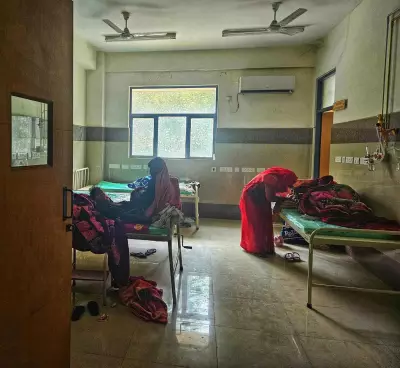
Delhi, as a rapidly growing metropolis, faces a critical challenge in its sanitation infrastructure that disproportionately affects women and gender minorities. The city's public toilets, often poorly lit, unhygienic, and located in unsafe areas, fail to meet the basic needs of half its population. This gendered sanitation crisis is not merely an inconvenience but a systemic issue that reinforces social exclusion and inequality.
The Reality of Sanitation in Delhi
Public sanitation facilities in Delhi are frequently designed without considering the specific needs of women, such as the need for privacy, safety, and facilities for menstrual hygiene management. Many toilets lack adequate lighting, locks, and clean water, making them unusable for women, especially after dark. This forces women to either avoid using public toilets altogether, leading to health risks, or resort to unsafe alternatives.
Impact on Women's Daily Lives
The lack of safe sanitation options restricts women's mobility and participation in public life. Women often avoid going out for work, education, or recreation due to the fear of not finding a clean and safe toilet. This perpetuates gender disparities in employment, education, and social engagement. For transgender and gender-nonconforming individuals, the situation is even more dire, as they face harassment and discrimination in both male and female facilities.

Policy and Planning Gaps
Urban planning in Delhi has historically overlooked gender perspectives. The Delhi Urban Shelter Improvement Board (DUSIB) and other agencies have made efforts to improve sanitation, but progress is slow. The Swachh Bharat Mission has focused on building toilets, but quality and maintenance remain poor. There is a need for gender-sensitive design standards, regular maintenance, and community engagement to ensure facilities are safe and accessible.
Call for Inclusive Infrastructure
To address this crisis, the city must adopt a gender-inclusive approach to sanitation. This includes involving women and gender minorities in planning, ensuring adequate lighting and security, providing menstrual hygiene facilities, and creating separate spaces for transgender individuals. Public awareness campaigns can also help reduce stigma and encourage use of facilities.
Delhi's sanitation infrastructure must evolve to serve all citizens equitably. Only then can the city truly claim to be inclusive and safe for everyone.