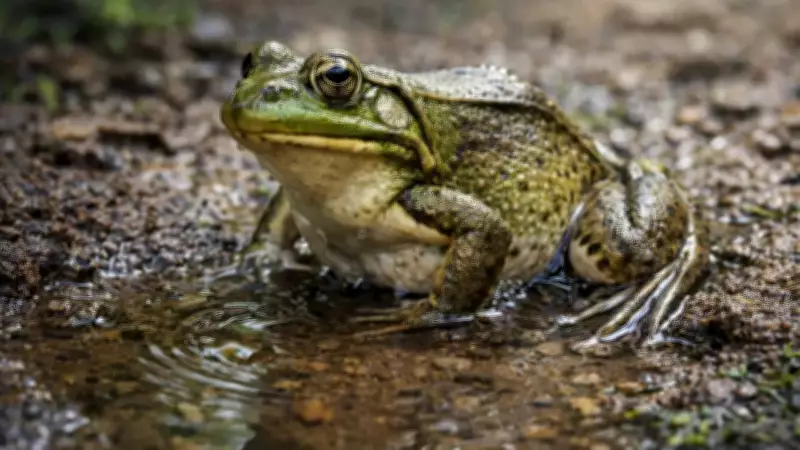
Frogs' Unique Hydration Method: Absorbing Water Through Skin, Not Drinking
While most animals rely on their mouths to drink water, frogs exhibit a remarkable and unique biological adaptation. These amphibians absorb water directly through their skin, a process that sets them apart from other creatures and plays a crucial role in their survival.
How Frogs Hydrate Without Drinking
Unlike humans or mammals, frogs do not consume water orally. In fact, observing a frog drinking water is a rare sight. Instead, their bodies are specially designed to absorb moisture from the environment. This ability allows them to remain hydrated without actively seeking out water sources, which is particularly advantageous in arid or fluctuating habitats.
The Role of the Pelvic Patch
The key to this process lies in a specialized area of skin known as the pelvic patch. Located on the underside of the frog, around the belly and thighs, this patch features thinner and more permeable skin compared to other parts of the body. When a frog rests on a damp surface, such as moist soil or leaves, the pelvic patch makes contact and begins to soak up water efficiently.

The Science of Osmosis in Water Absorption
Water absorption in frogs occurs through osmosis. This natural process involves water moving from an area of high concentration, like wet ground, into the frog's body where moisture levels are lower. Importantly, frogs do not drink this water; instead, they position themselves to maximize contact with moisture, enabling absorption directly into their system.
Research from the U.S. National Institutes of Health (PMC) confirms that frogs primarily absorb water through their ventral skin, especially the highly vascularized pelvic patch, rather than through their mouths.
Why This Adaptation Is Vital for Survival
This hydration method is essential for frogs living in environments with limited water access. By absorbing water through their skin, they can thrive in diverse and sometimes harsh conditions. Additionally, this approach minimizes unnecessary movement, reducing the risk of predation. It represents an efficient and safe strategy for maintaining hydration.
The Multifunctional Nature of Frog Skin
Frog skin serves multiple purposes beyond water absorption. It is integral to respiration and protection, making it vital to keep the skin moist at all times. If a frog's skin dries out, it can become life-threatening, which is why most frogs are found in damp areas or near water sources.
Behaviors That Support Hydration
To maintain skin moisture, frogs often sit on water, mud, or damp leaves. Some species stretch out to increase surface contact. In dry conditions, frogs may reduce activity or seek refuge in shaded spots, behaviors that complement their skin's absorptive capabilities.
A Testament to Evolutionary Adaptation
The way frogs acquire water challenges conventional notions of "drinking," showcasing nature's diverse survival strategies. Instead of relying on a single method, frogs utilize their entire body to obtain necessary fluids. This simple yet effective system has enabled frogs to survive for millions of years, highlighting how what may seem unusual can be a highly efficient adaptation.
In summary, frogs demonstrate that nature offers multiple pathways to survival, with their skin-based hydration being a prime example of evolutionary ingenuity.