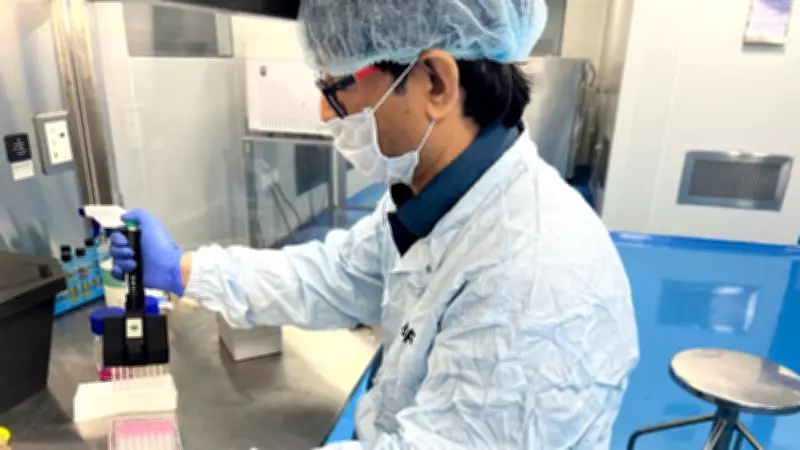
Pune Facility to Manufacture India's First Government-Produced Goat Pox Vaccine
In a groundbreaking development for veterinary health in India, the Institute of Veterinary Biological Products (IVBP) in Pune is set to produce the country's first goat pox vaccine at a government-run facility. This initiative marks a significant milestone in strengthening disease control efforts, particularly in regions where goat pox is endemic.
Vaccine Production and Licensing Details
Dr Y A Pathan, Joint Commissioner of Animal Husbandry and Dairying at IVBP, confirmed that nearly 1.15 crore doses of the vaccine will be produced initially. The facility is awaiting a production license from the Drug Controller General of India (DCGI), which is expected soon. This live attenuated Vero cell-based vaccine was developed by the Indian Council of Agricultural Research-Indian Veterinary Research Institute (ICAR-IVRI) in Mukteshwar, with technology transferred to IVBP through a non-exclusive license agreement signed in January 2023.
Technical Process and Quality Assurance
The production involves propagating the attenuated seed virus in Vero cell lines, derived from monkey kidney cells, which are ideal for viral replication. Key steps include:

- Preparation and maintenance of Vero cells
- Inoculation with seed virus
- Monitoring viral kinetics and harvesting
- Clarification, formulation, and lyophilisation for stability
ICAR-IVRI provides seed virus, standard operating procedures, and training for IVBP staff, with on-site technical support to ensure smooth implementation. Dr Pathan emphasized that three consecutive batches must pass all quality control tests, including safety, sterility, and potency assessments, before commercial release. The vaccine is deemed safe for goats and offers long-term immunity against goat pox.
Impact on Livestock and Economic Significance
Goat pox is a highly contagious viral disease caused by the Capripox virus, endemic in India and parts of Asia, the Middle East, and Africa. It leads to high morbidity and mortality rates, especially in young animals, causing substantial economic losses in small ruminant farming. With Maharashtra alone having an approximate population of 1.28 crore sheep and goats, this vaccine is a critical tool for disease control.
IVBP's Role and Broader Context
Established in 1960, IVBP is the sole institute in Maharashtra producing vaccines for domestic animals and birds, addressing the needs of livestock farmers through government veterinary dispensaries. In addition to the goat pox vaccine, IVBP has been granted a test license for producing Lumpi-ProVac, an indigenous vaccine for lumpy skin disease in cattle, which shares technological similarities. This aligns with efforts to meet India's livestock health requirements on a large scale.
While private sector companies like Hester Biosciences and Indian Immunologicals Limited also offer goat pox vaccines, this government-led production enhances accessibility and supports national disease management strategies.