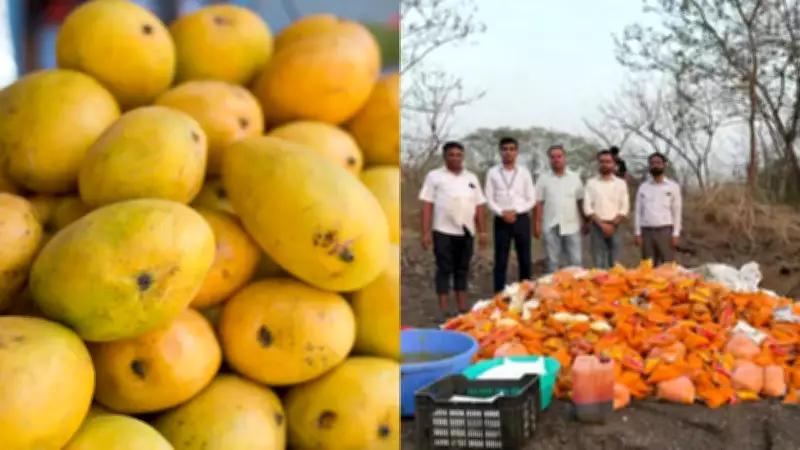
FDA Cracks Down on Adulterated Mango Pulp in Pune, Seizes 3,800 Kilograms
The arrival of the mango season brings not only the beloved fruit's aroma and diverse varieties but also a surge in cases of mango adulteration. To meet high demand and supply chain pressures, some market players engage in unfair trade practices, including the use of harmful chemicals and banned food colors. In a significant enforcement action, the Pune unit of the Food and Drug Administration (FDA) has seized over 3,800 kg of adulterated mango pulp during raids across Pune district.
Details of the FDA Raids and Seizures
According to FDA reports, a manufacturing unit in Urse village, Maval taluka, was raided where inspectors discovered mango pulp being produced with unauthorized food colors and substances not permitted under food safety regulations. The FDA seized and destroyed 3,282.9 kg of mango pulp from this facility, which was immediately flagged for serious violations. Samples of mango pulp, raw mangoes, and additives, including sugar, cow's milk, and a liquid saffron-colored solution, have been sent to laboratories for testing.
In a separate investigation in Khed taluka, FDA officials seized 558 kg of mango pulp valued at Rs 61,380. Combined, these cases total 3,800 kg of adulterated mango pulp worth approximately Rs 2,23,196. The FDA has emphasized that operating food businesses without a valid license is a punishable offense under the Food Safety and Standards Act, 2006, with penalties up to Rs 10 lakh. Consumers are urged to remain vigilant and report suspected cases of food adulteration via the FDA's toll-free helpline at 1800222365.

Health Risks of Chemical-Ripened Mangoes
Consuming mangoes ripened artificially with chemicals like calcium carbide poses serious health hazards. Short-term effects can include nausea, vomiting, abdominal pain, and diarrhea. Neurological symptoms such as headaches, dizziness, confusion, and mood swings are also reported. For individuals with respiratory issues like asthma or allergies, these mangoes can irritate the respiratory tract, while skin contact may lead to rashes, itching, or allergic flare-ups.
Long-term exposure to impurities in ripening agents, such as arsenic and phosphorus found in calcium carbide, increases the risk of severe conditions, including cancer. Additionally, chemical residues can interfere with endocrine functions, potentially causing hormonal imbalances over time.
How to Identify Adulterated Mangoes at Home
To protect yourself from fake mangoes, follow these practical tips:
- Check Skin Color: Artificially ripened mangoes often have a uniform, overly yellow or orange hue compared to the varied colors of natural ones.
- Smell the Mango: Pure mangoes emit a sweet, fruity aroma, while adulterated ones may smell chemical or off.
- Assess Firmness: Chemically treated mangoes tend to be softer or mushier due to broken cell walls from chemicals.
- Look for External Damage: Avoid mangoes with bruises or spots, which can indicate chemical injections.
- Conduct a Taste Test: Artificially ripened mangoes may taste bland or strange; taste a small slice before purchasing.
- Use the Soaking Method: Soak mangoes in water; naturally ripened ones sink, while artificially harvested ones float.
- Try Baking Soda Test: Soak mangoes in water with baking soda for 15-20 minutes; color changes upon washing suggest chemical treatment.
- Match Stick Test (Caution Advised): According to sources, bringing a lit match near chemically treated mangoes may cause sparks, but this method is risky and should only be attempted with adult supervision and precautions.
By staying informed and cautious, consumers can enjoy the mango season safely while supporting food safety initiatives.