

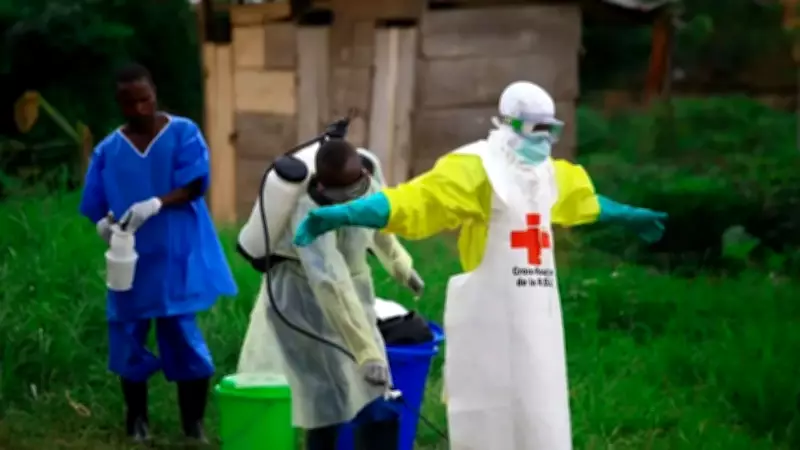
The Ebola outbreak in Congo has taken a deadly turn, with 88 people already dead and health officials racing to prevent the virus from crossing into neighboring Uganda and South Sudan. According to Al Jazeera, the crisis began in Congo's Ituri province, a region already plagued by conflict. The situation escalated rapidly, prompting the World Health Organization (WHO) to declare it a "public health emergency of international concern." Emergency teams are monitoring hundreds of suspected cases, struggling to contain the spread. What particularly alarms scientists is that this outbreak involves the Bundibugyo strain, a rare version of Ebola for which there is no fully licensed vaccine, unlike the more common Zaire strain that dominated previous outbreaks.
Can Ebola Spread Undetected?
Before answering that question, it is essential to understand what Ebola is. Ebola virus disease (EVD) is a severe illness that attacks multiple body systems, damaging blood vessels, organs, and the immune system. In severe cases, it causes widespread inflammation, internal bleeding, organ failure, and shock. Depending on the strain, healthcare quality, and speed of treatment, mortality rates have reached as high as 90% in some outbreaks.
The short answer, according to WHO and most infectious disease experts, is that stealthy transmission is highly unlikely. Ebola is not known for spreading without symptoms. If a person is infected but not yet showing symptoms, almost all evidence indicates they are not contagious. Ebola spreads through direct contact with the bodily fluids of someone who is already sick. This is why it is not as contagious as airborne viruses like COVID-19 or measles.

However, once symptoms appear—especially in later, more severe stages—the virus becomes extremely contagious. Bodily fluids such as blood, vomit, diarrhea, saliva, sweat, urine, and breast milk can all transmit the virus. Because early symptoms resemble a regular flu or stomach bug, some patients unknowingly expose family members and caregivers before doctors diagnose Ebola. This delay in recognition is making the Congo outbreak particularly difficult to manage.
Current Status of the Outbreak
According to Reuters and local health officials, the outbreak began with a nurse in Bunia. After she fell ill, Ebola spread rapidly through health facilities and nearby communities. Violence and instability in eastern Congo are severely hampering containment efforts. Armed conflict, population displacement, poor sanitation, and fragile healthcare infrastructure create a perfect environment for the virus to thrive.
WHO reports that 246 suspected cases are under monitoring. Uganda has already confirmed infections linked to travelers from Congo, with one infected person dying in Kampala after crossing the border. Public health teams are urgently tracing contacts and building isolation wards to prevent further spillover.
How to Tackle Ebola?
Despite the panic, experts emphasize that Ebola does not spread through casual contact. You cannot catch Ebola by simply walking past an infected person or breathing the same air. Direct contact with infected fluids or contaminated items—such as bedding or medical equipment—is required. Traditional burial practices involving touching the dead have also played a significant role in past outbreaks.
Ebola is indeed terrifying. WHO estimates an average fatality rate of about 50%, but some outbreaks have reached 90%. The Bundibugyo strain is particularly concerning because it is less understood. Symptoms typically appear two to 21 days after exposure, most often within four to ten days. Initial signs include fever, weakness, muscle pain, fatigue, sore throat, chills, headaches, and loss of appetite. As the disease progresses, patients may experience vomiting, diarrhea, abdominal pain, nausea, dehydration, and more. Some develop rashes, confusion, chest pain, difficulty breathing, kidney or liver problems, and internal or external bleeding. While bleeding is not always dramatic, it is a serious sign.
Doctors warn that the most alarming aspect is how quickly a patient's condition can deteriorate. One day, it seems like a routine illness; the next, the patient is critical. Early diagnosis and strong supportive care are crucial. Rapid hydration, electrolytes, oxygen, and intensive treatment can dramatically improve survival odds.

What Lies Ahead
This new crisis evokes memories of the massive West African epidemic from 2014 to 2016, which killed over 11,000 people across Guinea, Liberia, and Sierra Leone. That disaster exposed major gaps in global preparedness and changed how countries respond to outbreaks. Today, response teams are better organized and faster, but challenges remain enormous. Conflict zones make it difficult to track infections. People sometimes distrust authorities. Remote villages lack basic medical care. Fear can drive infected individuals to hide symptoms or avoid hospitals.
Currently, WHO states that the international risk is serious but manageable if handled well. There is no evidence that Ebola is spreading through asymptomatic individuals. With early detection and coordinated responses, outbreaks are controllable. However, the next few weeks will be critical. Health teams are scrambling to isolate cases, monitor borders, and educate communities about warning signs.
This article is based on reporting from Al Jazeera, Reuters, and WHO statements.





