Dengue fever is no longer confined to the monsoon season in India, with cases now reported throughout the year, according to health experts. The shift in transmission patterns is raising alarms as the race to develop an effective vaccine continues.
Year-Round Transmission Confirmed
Dr. Randeep Guleria, former director of AIIMS Delhi, stated, "We are seeing dengue cases even in dry winter months, which was not common a decade ago. The virus is adapting to urban environments and breeding conditions are becoming favorable year-round due to climate change."
Data from the National Vector Borne Disease Control Programme (NVBDCP) shows that in 2025, nearly 30% of dengue cases were reported outside the traditional June-September monsoon window. Delhi alone recorded over 2,500 cases in January-March 2026, a 40% increase compared to the same period in 2025.

Vaccine Development Race
Several vaccine candidates are in advanced stages of clinical trials in India. The Indian Council of Medical Research (ICMR) is supporting two indigenous vaccines: one from Bharat Biotech and another from Serum Institute of India. Dr. Samiran Panda, head of epidemiology at ICMR, said, "We expect at least one vaccine to be licensed by early 2027. But challenges remain in ensuring efficacy against all four serotypes."
The World Health Organization recommends that dengue vaccines be used only in populations with high seroprevalence to avoid the risk of antibody-dependent enhancement (ADE). This complicates mass vaccination strategies.
Public Health Response
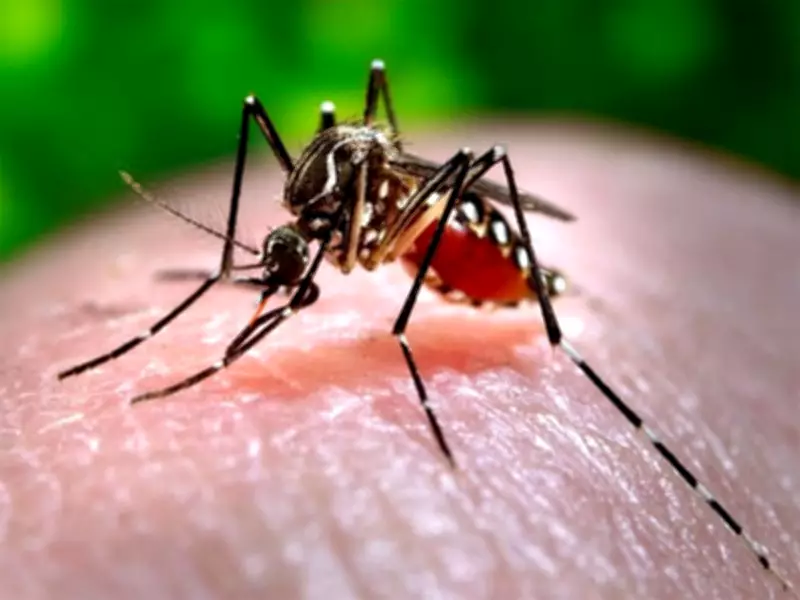
Municipal corporations across Delhi, Mumbai, and Bengaluru have intensified fogging and larval control measures, but experts say these are insufficient. Dr. Lalit Kant, former head of ICMR's epidemiology division, commented, "We cannot rely on fogging alone. Community participation in eliminating breeding sites is crucial. The vector, Aedes aegypti, has become resistant to some insecticides."
The Delhi government has launched a "10-minute campaign" urging residents to check and clean water containers weekly. Schools and offices are being asked to report suspected cases promptly.
Economic Burden
Dengue imposes a significant economic cost. A study by the Indian Institute of Public Health estimates that each severe case costs an average of Rs 50,000 in medical expenses and lost wages. In 2025, India reported over 200,000 dengue cases and 200 deaths, though experts believe actual numbers are higher due to underreporting.
Health Minister Mansukh Mandaviya announced a Rs 500 crore fund for dengue control in April 2026, focusing on vaccine procurement and vector surveillance. However, critics argue that more needs to be done to strengthen primary healthcare.
Looking Ahead
As dengue becomes a year-round threat, experts call for integrated strategies combining vaccination, vector control, and public awareness. Dr. Guleria warned, "If we do not act now, we will see larger outbreaks in the coming years, especially in urban areas." The vaccine race continues, but until a safe and effective vaccine is widely available, prevention remains the best defense.