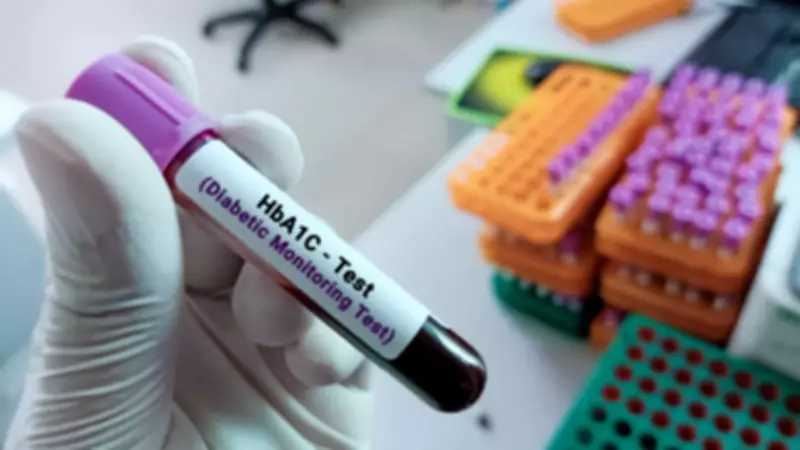
HbA1c, or glycated hemoglobin, is a crucial test for diagnosing and managing diabetes. However, certain conditions can distort its results, leading to potential misdiagnosis or improper treatment. Understanding these factors is essential for accurate diabetes care.
What is HbA1c?
HbA1c measures the average blood sugar levels over the past two to three months. It reflects how much glucose is attached to hemoglobin in red blood cells. Normal levels are below 5.7%, while 5.7% to 6.4% indicates prediabetes, and 6.5% or higher suggests diabetes.
Conditions That Can Distort HbA1c Results
Anemia
Anemia, particularly iron-deficiency anemia, can falsely elevate HbA1c levels. This occurs because the body produces more glycated hemoglobin when iron is low. Conversely, hemolytic anemia can lower HbA1c due to reduced red blood cell lifespan.

Hemoglobin Variants
Genetic variants like sickle cell trait or thalassemia can interfere with HbA1c measurements. These conditions alter hemoglobin structure, affecting test accuracy. People of African, Mediterranean, or Southeast Asian descent are more likely to have such variants.
Kidney Disease
Chronic kidney disease can lead to falsely low HbA1c levels due to anemia or altered red blood cell turnover. Additionally, uremia may interfere with the assay.
Pregnancy
Pregnancy changes red blood cell turnover and can lower HbA1c. Therefore, HbA1c is not recommended for diagnosing gestational diabetes.
Blood Transfusions
Recent blood transfusions introduce donor red blood cells with different glycation levels, skewing results. It is advisable to wait at least three months after a transfusion for accurate HbA1c testing.
Medications
Certain drugs, such as high-dose aspirin, antiretroviral medications, and some antibiotics, can interfere with HbA1c assays. Always inform your doctor about all medications you take.
Alternatives to HbA1c
When HbA1c is unreliable, alternative tests include fructosamine (measures short-term glucose control over 1-2 weeks) or continuous glucose monitoring (CGM). These can provide more accurate assessments in affected individuals.
Conclusion
While HbA1c is a valuable tool, it is not infallible. Awareness of conditions that distort results can help patients and healthcare providers make informed decisions. If you have any of these conditions, discuss alternative monitoring methods with your doctor.