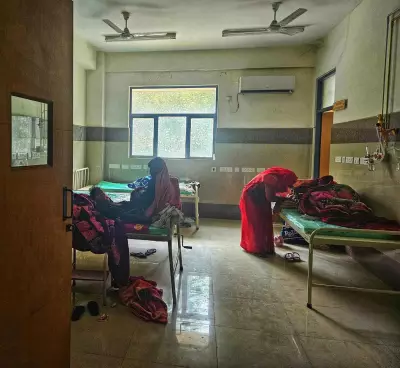
Cervical Cancer: A Global Health Priority for Women
Cervical cancer stands as the fourth most prevalent cancer among women globally, according to the International Gynaecologic Cancer Society (IGCS). Despite being one of the most preventable and treatable forms of cancer, it continues to be a leading cause of mortality for women worldwide. This paradox highlights critical gaps in awareness, screening, and access to healthcare services.
Understanding Cervical Cancer and Its Causes
The cervix, which is the lower, narrow part of the uterus connecting to the vagina, can develop abnormal cell growth leading to cervical cancer. Nearly all cases are caused by persistent infection with Human Papillomavirus (HPV), with types 16 and 18 responsible for over 75% of invasive cancers. High-risk HPV strains can trigger early cervical changes that may progress to cancer over time if undetected.
Screening and Early Detection Strategies
Early detection is paramount in combating cervical cancer. Screening primarily involves two methods:

- HPV Testing: Identifies exposure to high-risk and low-risk HPV types.
- Papanicolaou (Pap) Smears: Detects early and late cellular changes in the cervix.
The United States Preventive Services Task Force (USPSTF) recommends that low-risk women begin Pap test screening at age 21 and continue until age 65. Newer guidelines suggest intervals of 3 to 5 years between screenings, depending on prior results and the combination of Pap and HPV testing. For any positive screening result, colposcopy serves as the diagnostic follow-up procedure.
Risk Factors and Prevention Measures
As a sexually transmitted infection (STI), cervical cancer is preventable through targeted education and intervention. Key risk factors include:
- Multiple sexual partners
- Young age at sexual initiation
- Coinfection with HIV or other genital infections
- Smoking and oral contraceptive use
- High parity and herpes simplex
History-taking is crucial, encompassing queries about STDs, sexual behavior, tobacco use, and prior HPV vaccination. Safe sex practices and vaccination are vital preventive strategies.
Global Impact and WHO Initiatives
The World Health Organization (WHO) reports that in 2022, cervical cancer caused approximately 660,000 new cases and 350,000 deaths globally. Highest incidence and mortality rates are in low- and middle-income countries, reflecting inequities in access to vaccination, screening, and treatment. Women living with HIV face a sixfold higher risk of developing cervical cancer.
WHO has set ambitious 90–70–90 targets to accelerate cervical cancer elimination:
- 90% of girls fully vaccinated with HPV vaccine by age 15
- 70% of women screened by ages 35 and 45
- 90% of women with pre-cancer or invasive cancer receiving appropriate treatment
November 17 is observed as World Cervical Cancer Elimination Day to bolster these efforts.
Recognizing Symptoms: General and Specific
Early-stage cervical cancer is often asymptomatic, making screening essential. However, being aware of potential symptoms can aid in timely diagnosis:
General Symptoms:
- Burning or itching in the vagina (if recurrent and persistent)
- Low back or abdominal pain
- Frequent and urgent urination
- Bloating, fatigue, or swelling in the legs
Specific Symptoms:
- Vaginal spotting or bleeding, especially after sex or postmenopause
- Heavy or longer menstrual periods
- Foul-smelling, copious, or blood-mixed vaginal discharge
- Pain after intercourse or in the pelvic region
While these symptoms are commonly associated with non-cancer causes, women should monitor changes in their bodies and seek medical attention for persistent or unusual signs. Knowing what is normal for oneself is key, as minimal vaginal discharge before menses might be typical for some but abnormal for others.

Conclusion: A Call to Action
Cervical cancer is largely preventable through HPV vaccination and regular screening as per national guidelines. With early detection and prompt treatment, it is curable. Education about subtle symptoms, combined with robust screening programs, can significantly reduce global incidence and mortality. Every woman should be empowered with knowledge about her health, emphasizing that panic is unnecessary, but vigilance is crucial.