

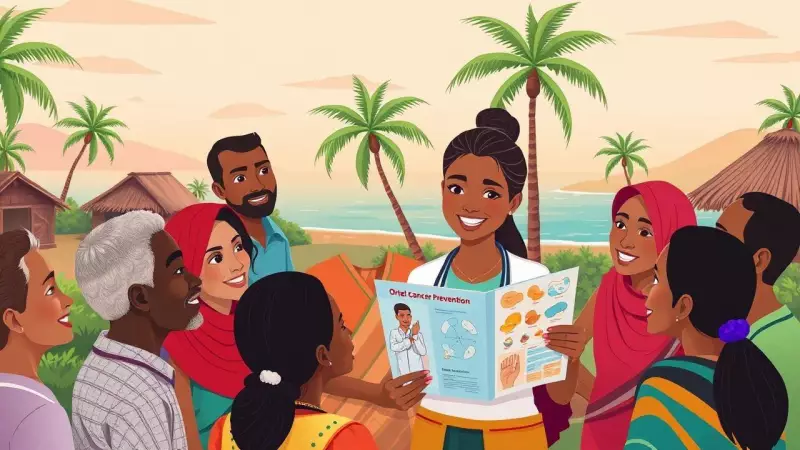
Car Nicobar Study Reveals High Oral Cancer Risk Among Tribal Population
A comprehensive community-based study has uncovered alarming health findings among the Nicobarese tribal community living on Car Nicobar Island. The research shows that nearly one in ten adults displays signs of oral lesions with potential to develop into cancer. This discovery highlights the severe health consequences of smokeless tobacco and alcohol consumption within this remote island population.
Study Details and Disturbing Findings
Conducted by the ICMR–Regional Medical Research Centre and published on Springer Nature Link, the study examined more than 2,600 adults across ten villages on Car Nicobar Island. Researchers discovered that 9.92% of screened individuals had oral potentially malignant disorders, known as OPMDs. Additionally, 0.19% of participants already received diagnoses of oral cancer.
OPMDs represent conditions that significantly increase risk for cancers affecting the lip and oral cavity. While some national studies report OPMD prevalence reaching 13–14%, medical experts express particular concern when such high rates concentrate within a single, relatively small community.

"Finding such elevated prevalence within one community is especially alarming," stated Dr Amit Upadhyay, senior consultant haematologist and oncologist at PSRI Hospital. "This reflects concentrated exposure to smokeless tobacco and signals a disproportionately high future burden of oral cancer unless we take urgent preventive action."
Tobacco Use Shows Strong Correlation
Using door-to-door screening and clinical examinations following World Health Organisation guidelines, researchers documented a powerful association with tobacco consumption. Among 274 individuals identified with oral lesions, an overwhelming 271—nearly 99%—used smokeless tobacco products.
The most common condition detected was smokeless tobacco keratosis, affecting over 7% of the population. Medical teams also identified leukoplakia and oral submucous fibrosis, both recognized precursors to oral cancer. The study confirmed two biopsy-verified cases of squamous cell carcinoma.
Younger Population Affected
Researchers expressed particular concern about the age profile of affected individuals. Most lesions appeared among young and middle-aged adults between 26 and 45 years old. Men showed disproportionate impact, indicating that cancer risk establishes itself early in life within this community.
The study revealed that more than 80% of participants reported using smokeless tobacco, often consuming local preparations like sukka—dried tobacco mixed with slaked lime. Additionally, nearly 58% regularly consumed alcohol, including locally brewed varieties.
Structural Barriers Compound the Problem
Medical experts note these findings expose deeper structural barriers to early detection in remote tribal settings. Dr Ajoy Roychoudhury, professor and head of the department of oral & maxillofacial surgery, explained how multiple factors combine to increase risk.
"Geographic isolation, weak healthcare access, and cultural practices delay early detection of tobacco-related oral precancers among Nicobarese communities," Dr Roychoudhury emphasized. "This makes urgent, targeted screening, cessation support, and local awareness programmes absolutely critical to prevent avoidable oral cancer burden."
About Car Nicobar Island
Car Nicobar Island forms part of India's Andaman and Nicobar Islands, with approximately 20,000 residents. The Nicobarese community comprises nearly 98% of the island's population. Limited access to specialized healthcare facilities makes early detection and prevention particularly challenging—and simultaneously more necessary.
First Population-Level Evidence
Study authors describe their work as the first population-level evidence documenting oral malignant and potentially malignant lesions among the Nicobarese in India. They urgently call for several specific interventions:
- Community-based oral screening programs
- Culturally sensitive tobacco-cessation initiatives
- Sustained local health education efforts
These measures aim to prevent precancerous lesions from progressing to full-blown cancer.

Public Health Warning
Public-health experts warn that without swift, targeted intervention, what remains a largely preventable risk could transform into a long-term cancer burden for India's tribal and island communities. The study serves as both a warning and a call to action for health authorities and policymakers.





