BMC's 2026-27 Healthcare Budget: Marginal Increase Amid Infrastructure Concerns
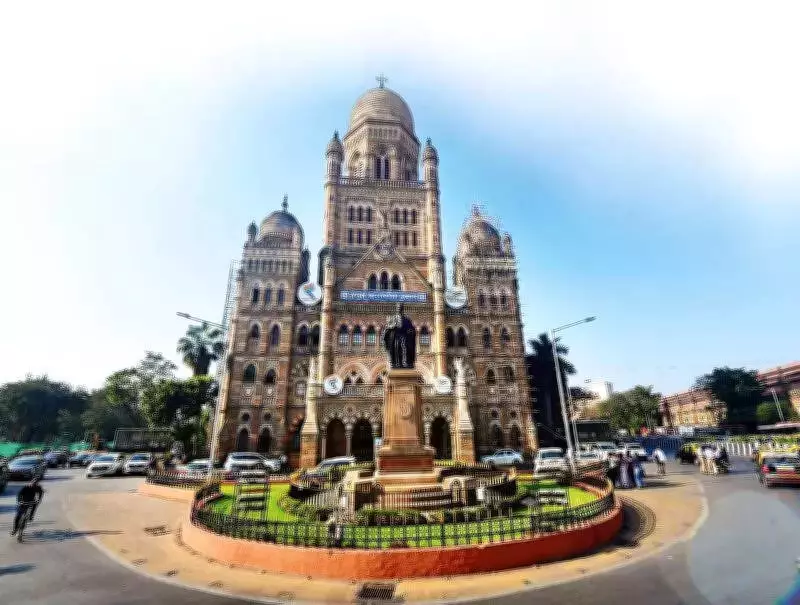
The Brihanmumbai Municipal Corporation (BMC) has earmarked Rs 7,456 crore for healthcare in its budget for the fiscal year 2026-27. This represents a marginal increase from the previous year's allocation of Rs 7,380 crore, raising questions about the adequacy of funding for Mumbai's sprawling public health network.
Capital Projects vs. Revenue Expenditure: A Growing Disparity
A significant portion of the budget, Rs 2,219.7 crore, is designated for capital projects. Key initiatives include the ongoing redevelopment of peripheral hospitals and the construction of a new 16-storey multi-specialty hospital in Kamathipura. The Kamathipura facility, being built within the compound of the existing Murli Deora Eye Hospital at a cost of Rs 135 crore, is approximately 30% complete with a tentative completion date set for May 2027.
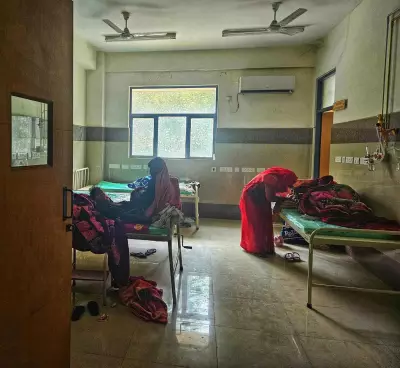
However, health experts point to a critical issue: the allocation for revenue expenditure, which covers the upkeep of existing facilities, maintenance, salaries, and essential supplies like medicines, stands at Rs 5,237 crore. This marks a mere 0.56% increase from the previous year, starkly contrasting with the 2.16% boost in capital expenditure.

"This disparity highlights a systemic problem," noted one analyst. "While new buildings are planned, the funds to maintain and operate the current infrastructure remain stagnant, leaving the health system struggling."
Historical Decline in Health Budget Allocation
Health economist Dr. Ravi Duggal provided a broader perspective, revealing that healthcare's share of the BMC's total budget has plummeted from 25-30% two decades ago to just 9% today. "This drastic reduction has severely damaged the health system," Dr. Duggal explained. "It has led to massive vacant positions, inadequate medical supplies, and insufficient funds for maintenance, crippling public health services."
Compounding these issues, data shows that 17.3% of the healthcare budget from the previous year remained unused, with actual expenditure stalling at Rs 6,104.75 crore. BMC sources indicated that hospital heads were informed in December that there would be minimal increases in their allocations, with one senior doctor quoting, "We were told the corporation is in debt."
New Initiatives and Recycled Announcements
The budget does introduce some new measures. On a pilot basis, select BMC-run dispensaries will offer AI-based free eye screening for diabetic retinopathy patients. Additionally, three new dialysis centres are planned under a public-private partnership model.
However, several announcements appear recycled from previous budgets. The HPV vaccine for girls above 14 years, previously announced, has now received approvals from the central government, according to Executive Health Officer Dr. Daksha Shah, who stated plans to integrate it into the immunization program.
Notably absent was any mention of the 'Zero Prescription Policy', which had been featured in the last two budgets. Deputy Municipal Commissioner (Health) Sharad Ughade defended the policy's past implementation, asserting that substantial medicines were made available under it.
As Mumbai's population continues to grow, the BMC's healthcare budget faces increasing scrutiny. The focus on new infrastructure projects, while necessary, must be balanced with robust funding for operational needs to ensure a resilient and effective public health system for all residents.