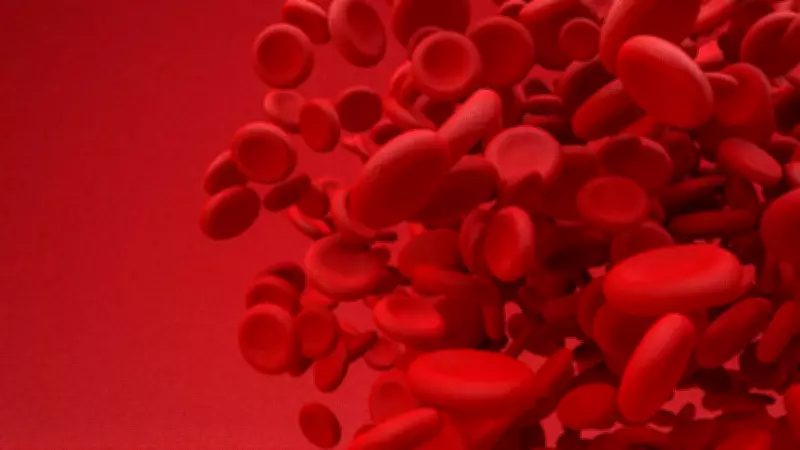
According to medical experts, having normal iron levels in a standard blood report is not sufficient to ensure optimal health. It is equally crucial to determine whether the body's internal iron reserves are being silently depleted, a condition that can precede anemia. A new biomarker has emerged that outperforms hemoglobin in predicting anemia much before it develops.
The Limitations of Hemoglobin Testing
Hemoglobin levels have long been the primary indicator for diagnosing anemia. However, by the time hemoglobin drops, the condition may already be advanced. Experts emphasize that relying solely on hemoglobin can miss early stages of iron deficiency, when intervention is most effective.
How the New Biomarker Works
The biomarker, identified through recent research, detects subtle changes in iron metabolism and storage. It provides a more sensitive and earlier warning of impending anemia, allowing for timely dietary or medical interventions. This could revolutionize screening protocols, especially for at-risk populations such as pregnant women, children, and the elderly.

Implications for Public Health
Early detection of iron depletion before anemia develops can reduce the burden of the condition, which affects millions worldwide. The biomarker test could be integrated into routine blood work, offering a proactive approach to managing iron health. Experts call for further studies to validate its widespread use.
In summary, while hemoglobin remains a key metric, this new biomarker offers a window of opportunity to prevent anemia rather than just treat it. Regular monitoring of iron reserves could become a standard part of preventive healthcare.