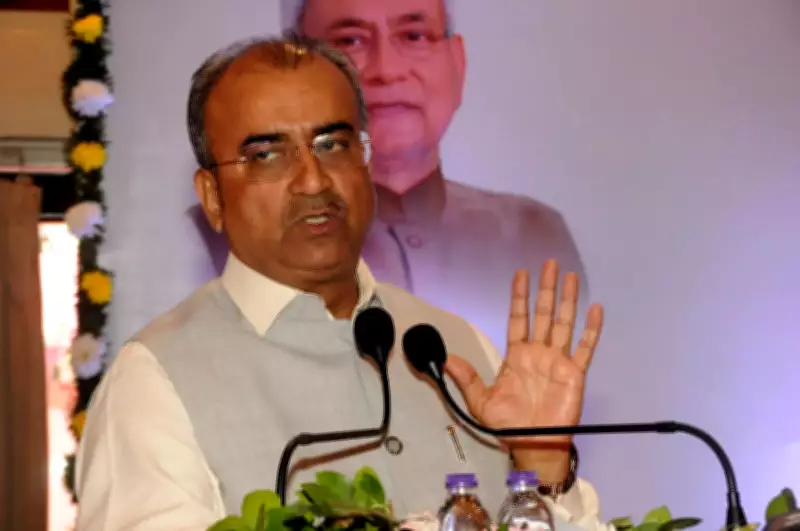
Bihar Government Prioritizes Healthcare Quality with Major Certification Milestone
In a significant move to overhaul public healthcare, Bihar Health Minister Mangal Pandey declared on Wednesday that the state government has placed quality improvement in government hospitals at the forefront of its agenda. This initiative involves comprehensive corrective measures aimed at bolstering infrastructure, ensuring standard-based service delivery, and enhancing patient safety across the state.
Certification Achievements Under National Standards
Progressing in this direction, Minister Pandey revealed that 91 health centers in Bihar have now been certified at the state level under the National Quality Assurance Standards (NQAS) and the Labour Room Quality Improvement Initiative (LaQshya). The primary objective of this certification drive is to guarantee that citizens receive reliable, safe, and high-quality medical services within government health institutions, thereby building public trust and improving health outcomes.
Key Institutions Leading the Way
Providing specific details, Pandey highlighted that Madhubani and Arwal district hospitals, along with the Dalsinghsaray sub-divisional hospital in Samastipur, have achieved the notable distinction of receiving certification under both NQAS and LaQshya. The remaining institutions have been certified under NQAS, marking a widespread commitment to quality enhancement.
Certification under these programs significantly strengthens several critical areas:
- Infection control protocols to prevent hospital-acquired infections
- Quality of maternity services, ensuring safer deliveries
- Patient safety measures to reduce medical errors
- Cleanliness and hygiene standards in healthcare facilities
- Availability and proper management of essential medicines
- Routine assessment and monitoring of service standards
This comprehensive approach helps in reducing maternal and infant mortality rates, increasing patient confidence in government healthcare, and improving transparency in service delivery mechanisms.
Focus on Rural Healthcare Accessibility
Of the 91 certified centers, an impressive 84 are Ayushman Arogya Mandir-health sub-centres operating at the community level. Minister Pandey emphasized that the government's focus is squarely on ensuring that rural residents can access quality healthcare closer to their homes. This strategic move enables early identification and treatment of diseases at the primary level, preventing complications and reducing the burden on higher-level facilities.
Timely care is now being systematically provided to vulnerable groups including pregnant women, newborns, and the elderly. As a result, referrals to larger hospitals have decreased significantly, easing pressure on district hospitals and creating a more efficient healthcare ecosystem.
Future Roadmap for Healthcare Excellence
Looking ahead, Pandey outlined the state government's phased plan to develop health institutions in accordance with established quality standards. This ambitious initiative will be supported by:
- Strengthened training systems for healthcare professionals
- Improved availability and management of resources
- Regular inspections and audits to maintain standards
- Digital monitoring systems for real-time oversight
The state aims to bring more institutions under NQAS and LaQshya certification in the coming years, positioning Bihar among the leading states in India for quality health services. This transformative approach represents a fundamental shift toward sustainable healthcare improvements that prioritize patient welfare and systemic efficiency.