Bengaluru Hospitals Report Alarming Rise in Gastrointestinal Infections During Summer Heatwave
As scorching summer temperatures intensify across Bengaluru, medical facilities are witnessing a dramatic surge in gastrointestinal (GI) infections, overwhelming outpatient departments. A dangerous combination of contaminated food, unsafe drinking water, severe dehydration, and extensive travel during vacation periods has created ideal conditions for widespread illness transmission throughout the city.
Daily Case Loads and Severe Symptoms Emerge
Since early March, healthcare providers have been treating between six and ten new GI infection cases daily, representing a significant increase from typical seasonal patterns. Patients are presenting with distressing symptoms including persistent vomiting, severe diarrhea, intense stomach cramps, and constipation that requires medical intervention.
"We have observed a noticeable spike in gastrointestinal infections over recent weeks, directly correlated with the summer onset," explained Dr. Amjad Khan H, Head of Emergency Medicine at Fortis Hospital on Cunningham Road. "Primary contributing factors include food contamination, inadequate hand hygiene—particularly among children—and accelerated bacterial proliferation in warmer temperatures that irritate the digestive system and trigger infections."

While GI cases occur year-round, this summer has brought more severe manifestations. "Typically, patients manage mild symptoms at home with two to three episodes of vomiting or diarrhea," Dr. Khan noted. "Currently, we're encountering more serious cases featuring ten to fifteen daily episodes of loose motions, continuous vomiting, and debilitating abdominal pain. Some patients even present with dangerously low blood pressure readings."
Travel, Contaminated Water, and Dietary Changes Amplify Risks
Medical professionals have identified families returning from summer vacations with bacterial GI infections, frequently caused by consuming improperly stored raw foods during travel. "Holiday lifestyle alterations—including increased travel frequency and restaurant dining—significantly contribute to infection rates," stated Dr. Vijay Kumar HJ, Senior Consultant in Medical Gastroenterology, Hepatology & Interventional Endoscopy at KIMS Hospitals, Bengaluru. "People tend to consume more ice cream, fruit salads, and street food during summer months, substantially elevating their exposure to potential contaminants."
Additional risk factors include reliance on water tankers and ongoing construction projects. "During summer months, declining groundwater levels force numerous households to depend on tanker water supplies," Dr. Vijay elaborated. "The source of this water remains difficult to verify, creating elevated contamination risks. Furthermore, road and infrastructure development can damage BWSSB pipelines, introducing additional pollutants into water systems."
Expanding Symptom Spectrum and Anorectal Complications
Beyond conventional GI infection indicators, physicians are observing additional health concerns among patients. "We're detecting increased acidity, bloating, constipation, and appetite loss, primarily linked to dehydration, irregular meal patterns, and prolonged heat exposure," reported Dr. CM Parameshwara, CEO and Founder of Smiles Institute of Gastroenterology. "Several cases exhibit fatigue and dizziness as early warning signs of electrolyte imbalance requiring immediate attention."
An emerging trend involves rising anorectal conditions. "We're noting increased instances of piles, fissures, and abscesses, largely driven by summer-related dehydration," Dr. Parameshwara emphasized. "When fluid consumption decreases, stools harden, leading to straining during bowel movements that elevates risk for these painful conditions. Irregular eating habits, insufficient fiber intake, and dietary changes during travel further exacerbate gastrointestinal distress."

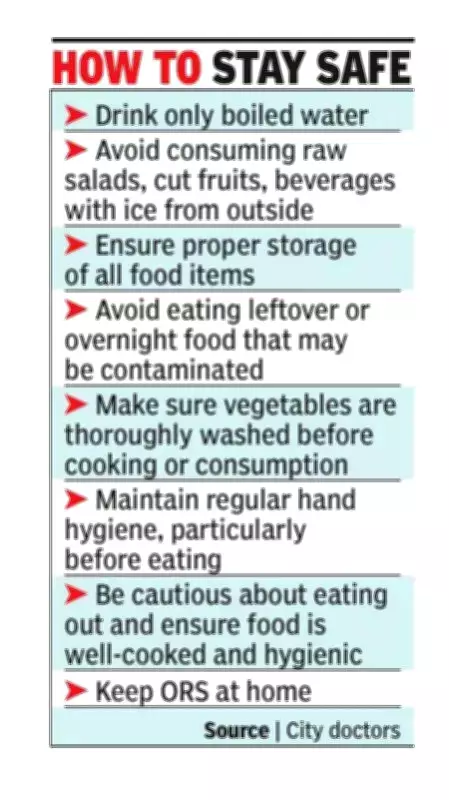
Medical authorities urge Bengaluru residents to prioritize food safety, maintain proper hydration, practice rigorous hand hygiene, and seek prompt medical attention when experiencing severe gastrointestinal symptoms during the ongoing summer heatwave.