

Bengaluru's High-Pressure Lifestyle Linked to Disturbing Rise in Sudden Deaths
The fast-paced, high-pressure environment of India's IT capital, Bengaluru, is taking a severe toll on public health, with the city recording between 2,800 and 3,000 sudden deaths annually. Most of these tragic incidents are directly linked to cardiac arrest and other cardiovascular conditions, painting a grim picture of urban lifestyle impacts.
Alarming Statistics Reveal Steady Increase
Recent data from the home department shows a concerning upward trend in sudden fatalities. In 2025 alone, Bengaluru recorded approximately 3,200 sudden deaths, marking a significant increase from previous years. The numbers show a steady climb from 2,850 in 2022 to 2,979 in 2023, and 2,962 in 2024. These statistics often manifest in disturbing viral videos capturing individuals collapsing during routine activities like walking, exercising, or performing daily chores.
Understanding Medical Sudden Death
Medical professionals define sudden death as occurring abruptly within an hour or a day, most commonly due to cardiac causes, though conditions like aneurysm rupture can also be responsible. While these incidents affect all age groups, doctors emphasize that men face higher vulnerability compared to women.

"Men are generally more prone to sudden deaths, largely due to higher smoking rates. Women may benefit from some hormonal protection before menopause. After menopause, the frequency likely equalizes between both sexes," explained Dr. Vikram B Kolhari, senior consultant in cardiology at Apollo Hospitals.
Multiple Risk Factors Contributing to the Crisis
Access to timely medical care plays a critical role in prevention, but numerous underlying factors contribute to the rising numbers. Dr. Bagirath Raghuraman, senior consultant and director of heart transplant at Narayana Health, highlighted several causes:
- Genetic electrical disorders like Long QT syndrome or Brugada syndrome
- Undiagnosed structural heart disease
- Early familial coronary artery disease
- Drug abuse among younger populations
- Use of bodybuilding supplements and steroids
- Consumption of heavily caffeinated energy drinks
"The other big fad among younger boys is the use of bodybuilding supplements and steroids. Even energy drinks, which are heavily caffeinated, can cause sudden cardiac arrest," Dr. Raghuraman cautioned.
Exercise Extremes and Lifestyle Factors
While regular exercise remains essential for heart health, extreme exertion can prove detrimental. Dr. Raghuraman warned that when routine individuals engage in intense physical activities, cholesterol deposits (plaque) inside coronary arteries could rupture, completely blocking blood supply to the heart and causing sudden death. He advised that such intense training should only occur under certified professional trainers following consultation with cardiologists.
Addressing COVID-19 Misconceptions
Regarding potential COVID-19 impacts, doctors clarify that while any viral infection can cause heart inflammation, no evidence suggests COVID-19 or its vaccines have long-term cardiovascular effects. Dr. Sreekanth Shetty, director and HOD of cardiology at Sakra World Hospital, emphasized that vaccine-induced inflammation typically lasts only one to two weeks without enduring cardiovascular consequences.
"Attributing current cardiovascular issues to COVID-19 or vaccination diverts attention from the critical decline in healthy lifestyles over the past 4-5 years. This decline is driven by job demands, remote work, extended hours, workplace stress, job losses, and rising tobacco and drug use—all factors that heighten sudden cardiac event risks among younger people," Dr. Shetty explained.
A Call for Lifestyle Reformation
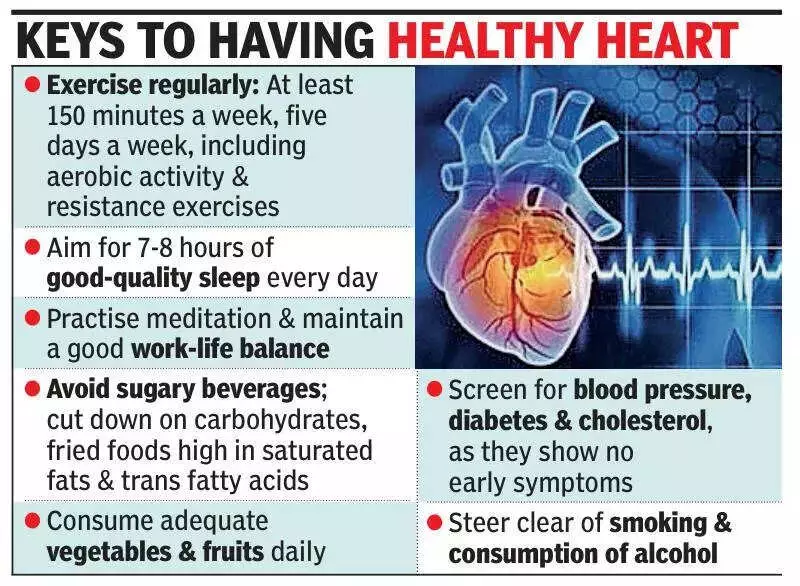
The disturbing trend in Bengaluru serves as a stark reminder of how urban professional lifestyles are compromising cardiovascular health. Medical experts stress the urgent need for:

- Increased awareness about heart health risks
- Regular health screenings and check-ups
- Balanced work-life integration
- Avoidance of harmful supplements and substances
- Moderate, supervised exercise routines
As Bengaluru continues to thrive as India's technology hub, addressing these public health challenges becomes increasingly crucial for sustaining both economic growth and community wellbeing.





