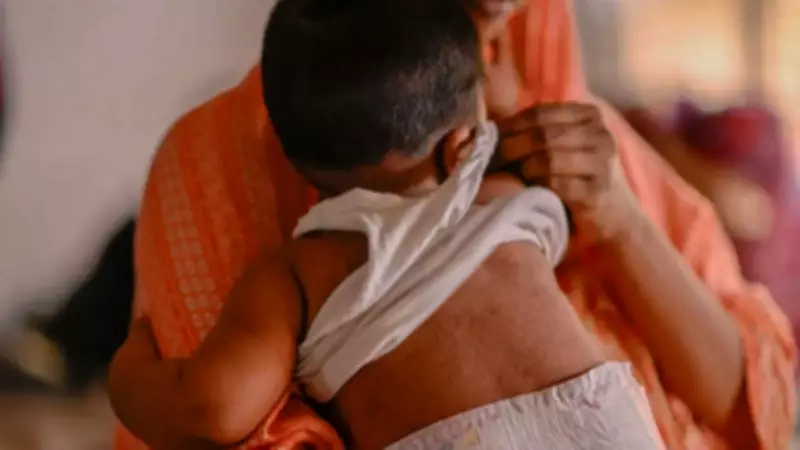
Bangladesh Initiates Urgent Measles-Rubella Vaccination Campaign as Outbreak Claims Over 100 Young Lives
Bangladesh is currently implementing an emergency measles-rubella vaccination program while simultaneously attempting to control an ongoing outbreak that has tragically resulted in the deaths of more than 100 children in less than a single month. The government, in a crucial collaboration with the World Health Organisation (WHO), the United Nations children's agency UNICEF, and the Gavi vaccine alliance, commenced efforts to vaccinate children aged between 6 months and 5 years old across 18 high-risk districts starting Sunday. According to a joint official statement, this targeted campaign will be expanded nationwide in carefully planned phases beginning next month.
UNICEF Expresses Grave Concern Over Rising Cases and Immunity Gaps
A senior UNICEF official has voiced deep concern regarding the alarming and sharp increase in measles cases, which is placing the youngest and most vulnerable children at serious and immediate risk. "This resurgence highlights critical immunity gaps, particularly among zero-dose and under-vaccinated children, while infections among infants under nine months, who are not yet eligible for routine vaccination, are especially alarming," stated Rana Flowers, the agency's representative in Bangladesh. Official data from this South Asian nation, home to over 170 million people, confirms more than 900 measles cases out of 7,500 suspected cases reported since March 15.
Measles is classified by the WHO as a highly contagious airborne disease that typically causes fever, respiratory symptoms, and a distinctive rash. It can sometimes lead to severe or even fatal complications, especially in young children and infants. Vaccination remains the most critical tool for preventing the spread of measles, with the WHO emphasizing that a 95% population vaccination rate is necessary to effectively halt disease transmission.

Political Accusations and Historical Context of the Crisis
Bangladesh's Health Minister, responding to questions in parliament on Monday, attributed the new outbreak to what he described as mismanagement and failures by past governments. He specifically accused the previous administration of ousted Prime Minister Sheikh Hasina and an interim government led by Nobel Peace Prize laureate Muhammad Yunus of failing to make proper decisions concerning vaccine stockpiles. This alleged failure reportedly caused shortages affecting vaccines for measles and six other preventable diseases.
The national measles vaccination campaign was notably disrupted during Bangladesh's recent period of political upheaval. Sheikh Hasina was ousted following a mass uprising in 2024, and Muhammad Yunus subsequently led an interim administration that transferred power to an elected government after elections held in February of this year.
Public Health Guidance and Bangladesh's Immunization Journey
Health authorities are urgently advising parents to seek immediate hospital care whenever measles is suspected in a family member. "They should avoid taking medicine from shopkeepers unnecessarily. If a child has a fever, especially high fever - 101, 102, 3, 4 (Fahrenheit, or higher than 38.3 Celsius) - they should not rely on medicine from local shops," emphasized Dr. FA Asma Khan, deputy director of the Infectious Diseases Hospital in Dhaka. "Instead, they must take the child to a hospital as soon as possible, because our medical officers are capable of providing proper basic treatment," she added.
Since the launch of a massive national immunization campaign in 1979, Bangladesh has achieved remarkable progress in public health, successfully raising the coverage rate for fully immunized children from a mere 2% to an impressive 81.6%. However, UNICEF issued a warning last year that despite Bangladesh's strong strides in increasing overall immunization coverage, stark and concerning disparities in access and coverage persist across different regions and communities, potentially contributing to current vulnerability.