

Andhra Pradesh Government Announces Major Healthcare Infrastructure Expansion
The Andhra Pradesh state government has embarked on a significant healthcare enhancement initiative by establishing 13 new Integrated Public Health Laboratories (IPHLs) at regional hospitals across the state. This strategic move aims to substantially expand access to comprehensive diagnostic services for residents throughout Andhra Pradesh.
Substantial Investment Under National Health Scheme
Each of these advanced laboratories is being developed with a substantial allocation of ₹1.25 crore under the centrally-sponsored Pradhan Mantri Ayushman Bharat Health Infrastructure Mission (PM-ABHIM) scheme. This funding comprehensively covers both construction expenses and procurement of sophisticated medical equipment. Cumulatively, the state has invested ₹16.25 crore to establish all thirteen IPHL facilities, demonstrating a strong commitment to strengthening public health infrastructure.
Comprehensive Diagnostic Capabilities and Timeline
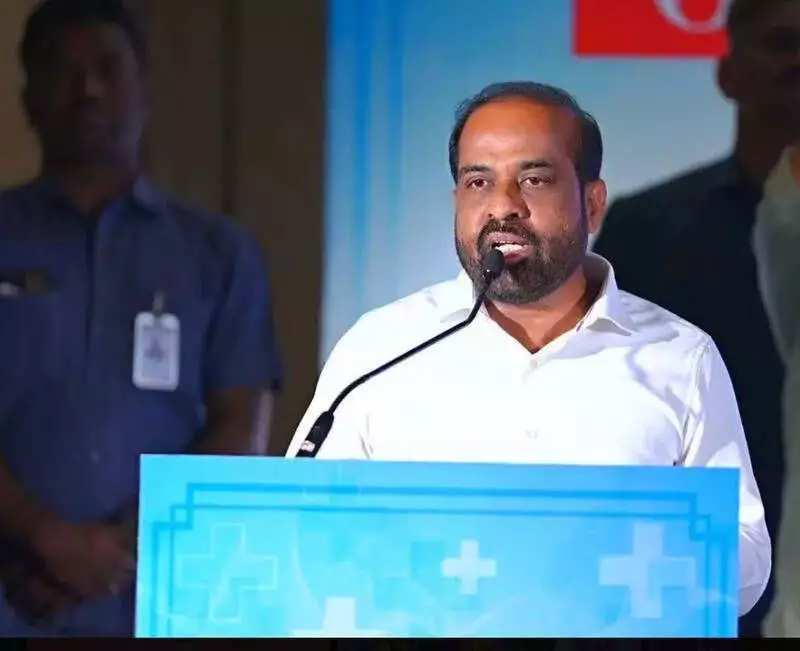
State Health Minister Satya Kumar Yadav has confirmed that these laboratories are expected to become fully operational by March–April 2024. Once commissioned, each IPHL will be capable of conducting an impressive array of up to 134 different types of medical tests, encompassing both communicable and non-communicable diseases. The minister emphasized that equipment installation is progressing simultaneously with construction completion to ensure timely operationalization.

Advanced Testing Services and Specialized Equipment
The IPHLs will provide comprehensive diagnostic services across multiple medical disciplines, including:
- Microbiology
- Haematology
- Clinical Biochemistry
- Clinical Pathology
- Molecular Biology
- Allied diagnostic disciplines
These facilities will perform sophisticated investigations such as:
- Cardiac markers analysis
- Cancer markers detection
- Iron studies
- Hormone and vitamin assays
- Micro-level water contamination testing
Each laboratory will be equipped with state-of-the-art instruments, including:
- Biosafety Cabinet (Class II)
- Automatic 5-part Cell Counter
- Fully Automated Biochemistry Analyser
- Automated Hormone Analyser (CLIA-based)
- Semi-automated Biochemistry Analyser
- Electrolyte Analyser
- Microtome
- Other essential diagnostic systems
Enhanced Public Health Services and Referral Network
Minister Yadav highlighted that the commissioning of these IPHLs will significantly strengthen existing hospital laboratory capabilities. "Sample testing will be conducted using advanced diagnostic equipment, substantially improving accuracy and quality of results," he stated. The laboratories will serve not only patients visiting the host hospitals but will also accept referred samples from nearby Primary Health Centers (PHCs) and other healthcare institutions.
This integrated approach is designed to reduce travel burdens for patients in remote areas and facilitate early disease detection through accessible, high-quality diagnostic services. The IPHLs will also conduct essential tests under national health programs, including screening for HIV, Hepatitis, and Tuberculosis.
Geographical Distribution and Implementation Status
The IPHLs are being established at strategic locations across Andhra Pradesh to ensure widespread accessibility. Laboratories nearing completion include facilities at:
- Seethampeta (Parvathipuram Manyam district)
- Guntakal (Anantapur district)
- Palamaner (Chittoor district)
- Araku (ASR district)
- Narasaraopet (Palnadu district)
- Aganampudi (Vizag district)
- Banaganapalle (Nandyal district)
- Chirala (Bapatla district)
- Nandigama (NTR district)
- Jangareddygudem (Eluru district)
Construction is actively progressing at additional hospital locations including:

- Tuni (Kakinada district)
- Gudur (Nellore district)
- Anaparthi (East Godavari district)
This comprehensive network of advanced diagnostic facilities represents a transformative step in Andhra Pradesh's healthcare infrastructure, promising to deliver enhanced medical services to communities across the state while supporting early intervention and improved health outcomes through precise diagnostic capabilities.





