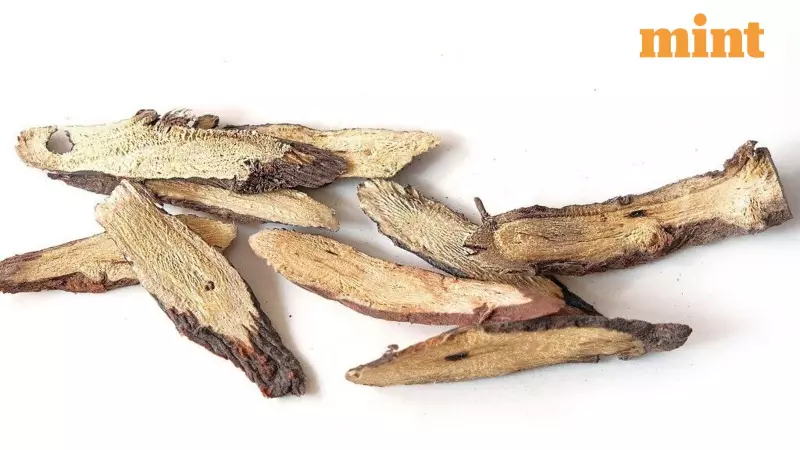
For generations, Indians have turned to mulethi, or licorice root, as a trusted herbal solution for soothing sore throats and taming persistent coughs. Deeply rooted in Ayurvedic tradition, its natural origin often leads to an assumption of complete safety. However, health experts are now urging a closer look at this potent root, highlighting significant side effects linked to its active compound.
Understanding the Risks: The Glycyrrhizin Factor
The primary concern with mulethi revolves around glycyrrhizin, its powerful active component. Research indicates that this compound can disrupt the body's delicate balance of salt, water, and key hormones. These disruptions are not minor and can manifest in serious health conditions affecting daily life.
Four Key Side Effects of Mulethi Consumption
Regular or high-dose intake of mulethi can lead to several adverse health effects that consumers must be aware of.

Elevated Blood Pressure: Glycyrrhizin causes the body to retain both sodium and water. This dual action can increase blood volume, subsequently pushing blood pressure upward, a major risk factor for heart health.
Dangerously Low Potassium Levels (Hypokalemia): Studies have documented low potassium levels in individuals consuming large amounts of mulethi. Symptoms include pronounced weakness, fatigue, and muscle cramps. In severe cases, it can disturb heart rhythm, necessitating immediate medical intervention.
Noticeable Fluid Retention and Swelling: A visible sign of trouble is swelling in the lower legs, ankles, or feet. This edema results from excess fluid buildup triggered by the root's impact on mineralocorticoid activity.
Hormonal Imbalances: Mulethi can interfere with the body's cortisol metabolism. Clinical observations link this interference to issues like persistent headaches, irregular menstrual cycles, and a general sense of unexplained fatigue in some people.
Who Should Strictly Avoid Mulethi?
While reactions vary, specific groups are advised to steer clear of regular mulethi use due to heightened vulnerability.
Individuals with pre-existing conditions such as high blood pressure, heart disease, or kidney disorders are at greater risk of experiencing aggravated symptoms. According to the National Center for Complementary and Integrative Health, pregnant and breastfeeding women should also avoid it due to potential developmental risks.
Furthermore, caution is critical for those on certain medications. Mulethi can interact adversely with diuretics, corticosteroids, and various heart medications. People with hormone-sensitive conditions or existing potassium imbalances should also exercise extreme caution.
Exploring a Safer Alternative: Deglycyrrhizinated Licorice (DGL)
For those seeking the soothing benefits of licorice without the risks, Deglycyrrhizinated Licorice (DGL) offers a potential solution. DGL products have had most of the glycyrrhizin removed, making them a safer option for certain therapeutic uses. Nonetheless, even with DGL, moderation and consultation with a healthcare provider remain paramount.
The long history of mulethi in Ayurveda underscores its value, but modern understanding calls for informed and cautious use. Recognizing its side effects is the first step toward harnessing traditional wisdom safely and effectively.