

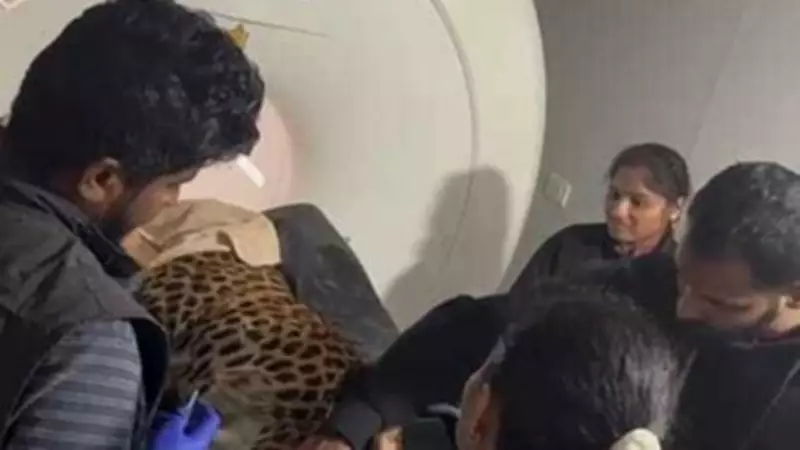
Leopard Undergoes MRI Scan at Shivamogga Zoo in Karnataka
In a notable development for wildlife care in India, a leopard at Shivamogga Zoo in Karnataka has undergone an MRI scan as part of a comprehensive health assessment. This procedure highlights the increasing use of advanced medical technologies in veterinary practices across the country, aimed at ensuring the well-being of captive animals.
Details of the Medical Procedure
The MRI scan was conducted to diagnose any underlying health issues in the leopard, which had been under observation by zoo authorities. The non-invasive imaging technique allowed veterinarians to obtain detailed insights into the animal's internal condition without causing stress or harm. This approach is part of a broader initiative to enhance animal healthcare standards in zoological parks.
Significance for Wildlife Management
This event underscores the commitment of Karnataka's wildlife authorities to adopting modern medical practices for animal welfare. Shivamogga Zoo, known for its efforts in conservation and rehabilitation, has been at the forefront of implementing such technologies. The use of MRI scans in zoos can lead to early detection of diseases, improving treatment outcomes and overall animal health.

Key aspects of this initiative include:
- Integration of advanced diagnostic tools in veterinary care.
- Focus on preventive health measures for endangered species.
- Collaboration between wildlife experts and medical professionals.
Broader Implications for Conservation
The successful MRI scan of the leopard sets a precedent for other zoos and wildlife sanctuaries in India. It demonstrates how technological innovations can be leveraged to support conservation efforts, particularly for species facing threats in the wild. By prioritizing animal health, authorities aim to contribute to biodiversity preservation and sustainable wildlife management.
This development reflects a growing trend towards humane and scientific approaches in animal care, aligning with global standards for wildlife protection.






