Can Fatty Liver Be Reversed?
Fatty liver disease is no longer a condition seen only in older adults or those with long-standing health issues. Increasingly, it is diagnosed in young professionals, homemakers, fitness enthusiasts, and even non-drinkers. The condition develops silently, without obvious symptoms. The good news is that fatty liver, especially in early stages, is one of the few chronic health conditions that can often be reversed. The challenge lies in early recognition and sustainable lifestyle changes before permanent liver damage occurs.
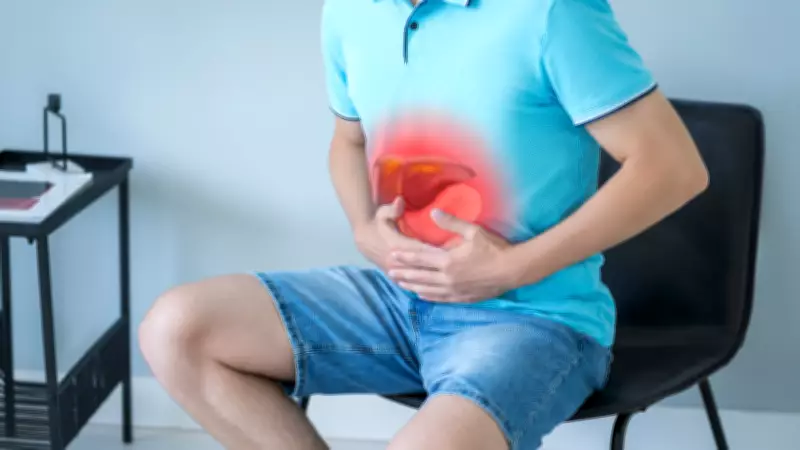
According to Dr Nitin Pai, Consultant and Director of Gastroenterology and GI Endoscopy at Ruby Hall Clinic, Pune, fatty liver disease is currently the fastest-growing health problem in India, affecting millions who often do not know they have it. It occurs when excess fat builds up in the liver, typically due to obesity, diabetes, insulin resistance, and high cholesterol.
The Silent Epidemic in Modern India
For years, liver disease was linked to alcohol. Today, doctors see a different pattern. Metabolic Dysfunction-Associated Steatotic Liver Disease (MASLD), formerly called Non-Alcoholic Fatty Liver Disease (NAFLD), is driven by modern lifestyles: long sitting hours, processed foods, sugary drinks, poor sleep, chronic stress, and rising obesity and diabetes rates. A large Indian study of over 7,700 adults from 27 cities found that nearly 40% may have MASLD. The liver rarely complains early, so many discover it only during routine check-ups.

Why the Liver Can Heal Itself
The liver is remarkably resilient. Dr Pai explains that in early MASLD, reducing fat stored in the liver can significantly improve function and prevent serious damage. Fat accumulation, inflammation, and even early scarring can improve with timely action. Research from the US National Institute of Diabetes and Digestive and Kidney Diseases shows weight loss reduces liver fat, inflammation, and fibrosis, and physical activity helps even with modest weight loss.
Why Losing Just a Few Kilos Matters
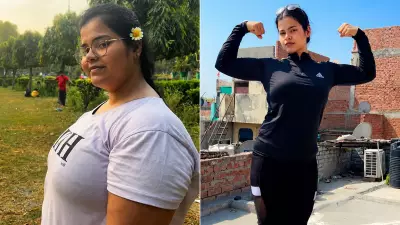
Reversing fatty liver does not require dramatic diets or rapid weight loss. Dr Pai emphasizes that losing even 5-10% of total body weight improves liver fat, inflammation, and health. Slow, steady weight loss through healthy diet and exercise has the best impact. Clinical evidence shows losing 5% body weight reduces liver fat, while 7-10% may improve inflammation and reverse some scarring. For an 80 kg person, losing 4-8 kg over months is achievable and sustainable.
Everyday Food Choices That Matter
Liver health is built through small daily decisions. Dr Pai advises reducing sugary drinks, refined carbs, processed foods, and saturated fat. Instead, focus on vegetables, fruits, whole grains, lean proteins, nuts, and healthy fats to support metabolic health and reduce insulin resistance. Sugary beverages, packaged snacks, sweetened coffees, and bakery products quietly contribute to liver fat. Eating foods close to their natural form—fresh vegetables, dals, fruits, nuts, fish, eggs, curd, and whole grains—reduces metabolic stress.
Prevention Before Symptoms
Fatty liver can affect even apparently healthy people. Dr Pai warns that those who are obese, have diabetes, high cholesterol, or a family history of liver disease should seek screening via liver function tests and ultrasounds. Regular exercise—both aerobic and resistance—reduces liver fat even with minimal weight loss. Guidelines recommend at least 150 minutes of moderate exercise weekly. Sleep quality, stress management, and control of diabetes, blood pressure, and cholesterol also reduce liver strain.
A Disease That Can Be Turned Around
Rising fatty liver cases are concerning, but unlike many chronic illnesses, it offers a window of opportunity. Dr Pai concludes that most people can successfully reverse the condition by making sustainable lifestyle and diet changes. The path to a healthier liver begins with a morning walk, healthier meals, less sugar, better sleep, and consistent daily habits.

Medical Experts Consulted
This article includes expert inputs from Dr Nitin Pai, Consultant and Director of Gastroenterology and GI Endoscopy, Ruby Hall Clinic, Pune, on the rising burden of fatty liver disease, the role of weight and diet, and how sustainable lifestyle changes can reverse early-stage fatty liver and prevent long-term damage.