

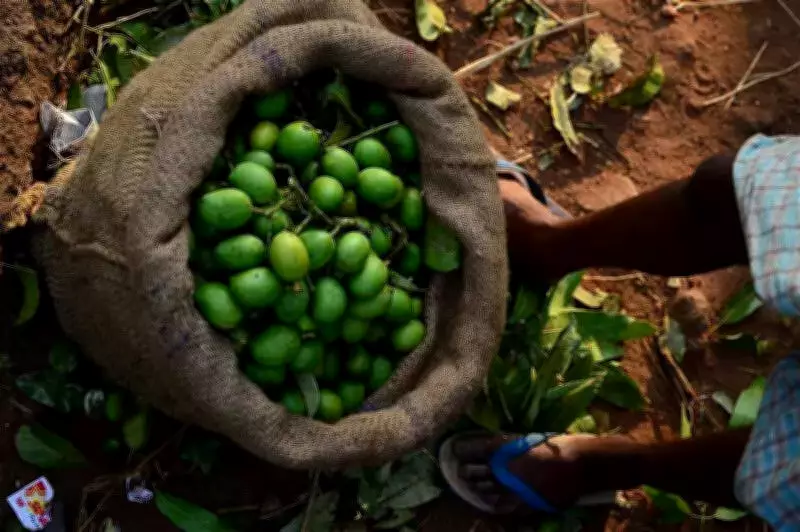
Appemidi Mango Diversity in Karnataka Under Threat, Conservation Efforts Urged
In the Uttara Kannada district of Karnataka, the stretches along the Aghanashini River, renowned for the distinctive 'appemidi' mango, are confronting escalating pressures from land-use alterations, monoculture plantations, and climate variability. Environmental experts and local residents caution that these challenges risk degrading not only the delicate riverine ecosystem but also the cultural heritage intertwined with this indigenous mango variety.
Proposal for Biodiversity Heritage Site Status
A significant proposal has been advanced to designate the 'appemidi' mango diversity region along the Aghanashini River as a Biodiversity Heritage Site (BHS) under the Biological Diversity Act. This move aims to safeguard the genetic and ecological richness of the area, which is pivotal for both traditional practices and scientific research.
Appemidi, a favored table mango primarily used for pickles, is indigenous to the Western Ghats. Research has identified 33 unique accessions from this region that are preserved in gene banks, highlighting their critical importance for breeding programs and studies on climate resilience. Local communities, leveraging generations of traditional knowledge and culinary expertise, have cataloged over 100 distinct types of 'appemidi', showcasing the deep-rooted connection between the people and this fruit.

Insights from Conservation Experts
Ananth Hegde Ashisara, former chairperson of the Western Ghats Conservation Taskforce and the State Biodiversity Board, emphasized the urgency of conservation. He noted that a recent study documented more than 1,000 'appemidi' trees along a 10-kilometer stretch of the river. "These are all natural trees and were not planted by anyone. Each tree has a distinct flavor and uniqueness," he stated, mentioning varieties such as Ananta Bhattana Appe, Jeerige Midi, Kanchappe, and Gilisundi.
Ashisara underscored the pressing need to protect the existing trees, warning that their numbers are likely to diminish due to factors like encroachment, conversion of riverbanks for agriculture and tourism, and natural aging. "The varieties here are unique and cannot be compared with other mangoes. They do not grow well outside this region. There is an urgent need to protect this genetic diversity. Declaring the stretch a BHS will help conserve existing trees and drive long-term conservation efforts into the future," he added.
Broader Implications and Future Steps
The potential declaration as a Biodiversity Heritage Site would not only preserve the 'appemidi' mango but also support broader environmental and cultural conservation goals. It would foster sustainable practices, protect biodiversity, and maintain the ecological balance of the Aghanashini River region. Stakeholders, including government bodies, environmental organizations, and local communities, are urged to collaborate in implementing protective measures to ensure the survival of this invaluable natural and cultural asset for future generations.






